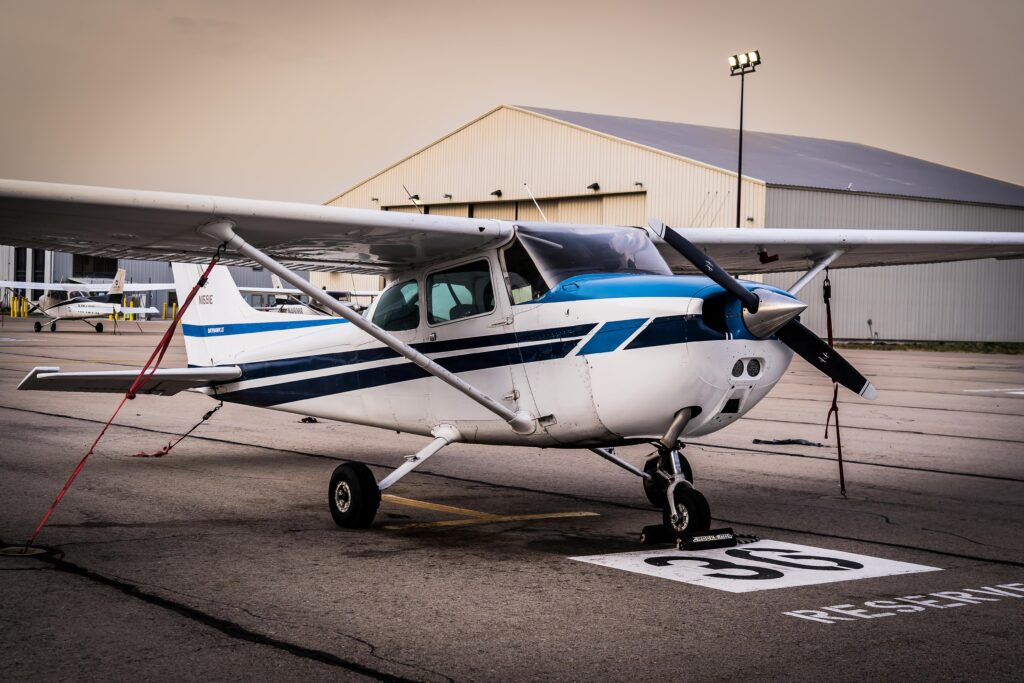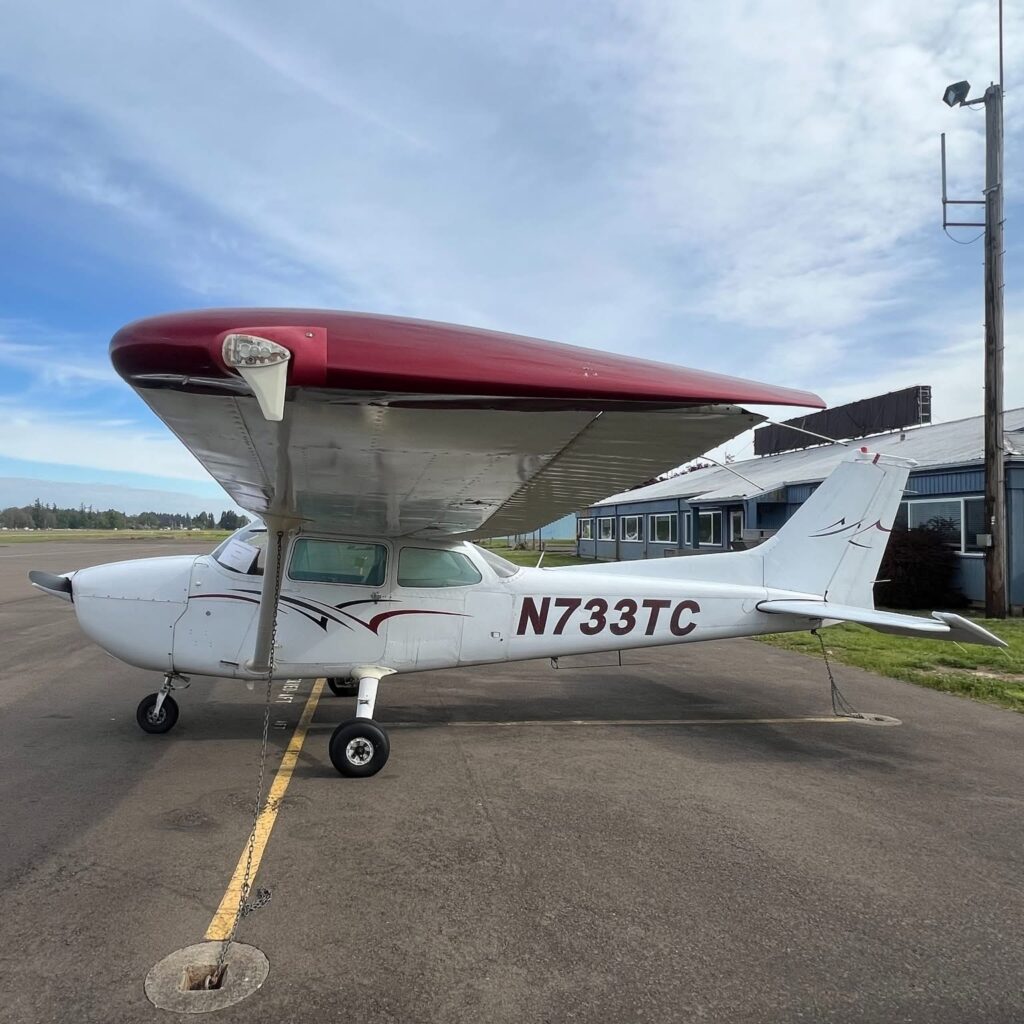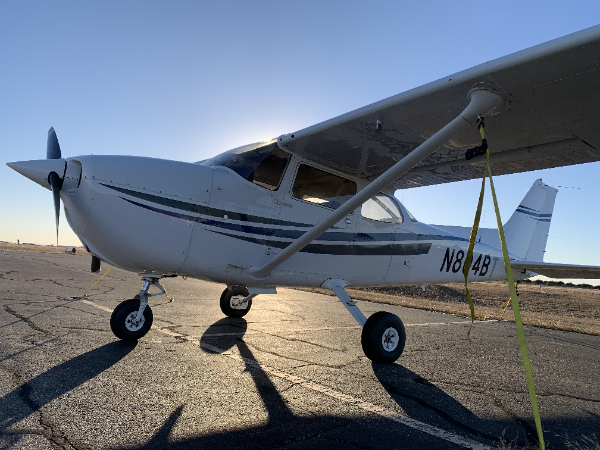
Compare the 172N airframes on their actual differences rather than the shared model designation, starting with the Cessna 172N 180HP – N733TC and the shorter takeoff roll a horsepower conversion buys you. Glidepath Aviation operates several 172N variants across Texas and Utah, and the engine, exhaust, and panel on each one differ enough to change how you fly it. Pilots planning instrument work should look at the Cessna 172N – N804BL, which pairs a 180HP Penn Yan engine and fixed pitch propeller with a touchscreen Garmin GTN 650xi and dual G5s certified for GPS and ILS approaches. Anyone who values practical comfort can take the Cessna 172N – N1591E with its Power Flow exhaust, USB charging ports, engine pre-heater, and LED landing and taxi lights. Every airframe requires a checkout with a CFI and is supported by a team that treats safety, maintenance, and pilot support as the baseline.
Look closely at the individual airplane rather than the model number, because two aircraft both badged 172N in this fleet can climb differently, cruise differently, and put an entirely different panel in front of you. The 172N was built from the late 1970s, and what has happened to each airframe since matters more than the year on the data plate.
Here is what to check before you book:
The 172N came from the factory with a 160 horsepower Lycoming and a fixed pitch propeller, which is a perfectly capable combination at low elevation with a light load. The reason horsepower conversions are so common on this particular variant is that the extra 20 horsepower changes the numbers where they matter. A 180 horsepower conversion shortens the takeoff roll, improves the climb gradient, and adds a few knots in cruise, at the cost of somewhat higher fuel burn. In Texas heat with a full cabin, or from a Utah field several thousand feet above sea level, that difference stops being academic and starts determining whether the climb clears terrain comfortably. A tuned exhaust system sits between the two: a real gain in climb and cruise, more modest than a conversion, achieved by improving how the engine breathes rather than by replacing it.
Panels vary more than engines do, and the phrase IFR certified deserves more scrutiny than it usually gets. What actually matters is which approaches the installation is approved for, whether the GPS is WAAS capable, what happens if the primary display fails, and whether ADS-B provides traffic and weather in as well as satisfying the out requirement. Across this line you will find a Garmin GTN 650xi paired with dual G5s and certified for GPS and ILS approaches, a GNX 375 with Bluetooth and touchscreen operation alongside dual G5s, and a Garmin 530 WAAS installation. Any of those will fly an approach competently, but they are managed differently, and the differences are exactly what will occupy you during a checkout. Beyond avionics, several airframes carry practical additions worth having: USB charging so a tablet running charts does not die halfway through a long leg, LED landing and taxi lights that make a genuine difference at night, and engine pre-heaters that matter through a Utah winter.
Rental requirements follow what the FAA already asks of you. Bring a certificate appropriate to the aircraft and the flight, a valid medical or BasicMed qualification, a flight review completed within the preceding 24 calendar months, and three takeoffs and landings inside the preceding 90 days in the same category and class if you intend to carry passengers. Instrument flight requires instrument privileges plus recent instrument experience or a completed instrument proficiency check. Every airframe requires a checkout with a certificated flight instructor regardless of your total time, and on this line that requirement is genuinely substantive rather than procedural, because moving between a stock airframe, a Power Flow installation, and a Penn Yan conversion means different power settings, different climb expectations, and in some cases a completely unfamiliar panel. Run real performance numbers for actual temperature, weight, and field elevation rather than relying on what the airplane did last time, review charts, TFRs, and NOTAMs on every preflight, carry honest fuel reserves, and settle renter insurance and your deductible before you fly rather than after a claim.
The 172N is a production variant of the Cessna 172 built from the late 1970s, powered from the factory by a 160 horsepower Lycoming driving a fixed pitch propeller. It is a conventional high wing four seat single, forgiving to fly and straightforward to maintain. Glidepath Aviation operates several 172N airframes, and because engine, exhaust, and avionics modifications differ between them, the individual tail number tells you considerably more than the variant designation does.
Several. A 1978 172N with a Power Flow exhaust, USB charging ports, an engine pre-heater, and LED landing and taxi lights. A 1976 172N carrying dual G5s and a GNX 375 touchscreen GPS with Bluetooth capability and a refreshed interior. A 172N converted to 180 horsepower. And another 172N running a new 180HP Penn Yan engine with a fixed pitch propeller, a touchscreen Garmin GTN 650xi, and dual G5s. Availability varies by field across Texas and Utah.
The numbers that matter for terrain and load. A conversion from the stock 160 horsepower shortens the takeoff roll, improves the climb gradient, and adds a modest amount of cruise speed, in exchange for somewhat higher fuel burn. At low elevation flying solo the difference is nice but not essential. From a Utah field on a warm afternoon with passengers aboard, it can be the difference between a comfortable climb over terrain and a marginal one. Confirm which engine is fitted before you book.
No, and the distinction is worth understanding. A tuned exhaust system improves how the engine breathes and produces a real gain in climb and cruise performance, but the engine itself is unchanged and the improvement is more modest than a full conversion delivers. Think of it as a meaningful upgrade rather than a transformation. It also costs less to operate than a converted engine, which keeps the hourly rate down while still giving you better performance than stock.
Ask what approaches the installation is actually approved for, whether the GPS is WAAS capable, what backup instrumentation exists if the primary display fails, and whether ADS-B is in, out, or both. The label IFR certified covers a wide range of real capability. A GTN 650xi with dual G5s certified for GPS and ILS approaches is a very different tool from a basic installation, and knowing which you have matters before you file rather than after.
They make them more valuable. Across this line you will encounter a Garmin GTN 650xi with dual G5s, a GNX 375 with touchscreen and Bluetooth operation, and a Garmin 530 WAAS installation. All will fly an approach competently, but each is managed differently, and fumbling through unfamiliar avionics while flying an approach in weather is exactly the situation checkouts exist to prevent. Budget an hour or two of dual per airframe and treat the panel time as the point.
Partly because the extra performance is genuinely useful, and partly because a large number of these airframes have been upgraded over the decades as engines came due for overhaul. Owners facing that expense often choose to convert rather than rebuild to stock, particularly for airplanes based at higher elevation fields where the additional climb performance earns its keep every flight. The result is that converted 172Ns are widespread and well supported.
Start with your typical mission. If you fly locally, solo or with one passenger, from a lower field, a stock or Power Flow airframe covers it and costs less. If you carry passengers, fly from Utah elevations, or want margin on hot afternoons, choose a 180 horsepower conversion. If you are training for or maintaining instrument currency, prioritize the panel and take the airplane certified for GPS and ILS approaches. If you fly regularly, get checked out in more than one so maintenance never grounds your plans.