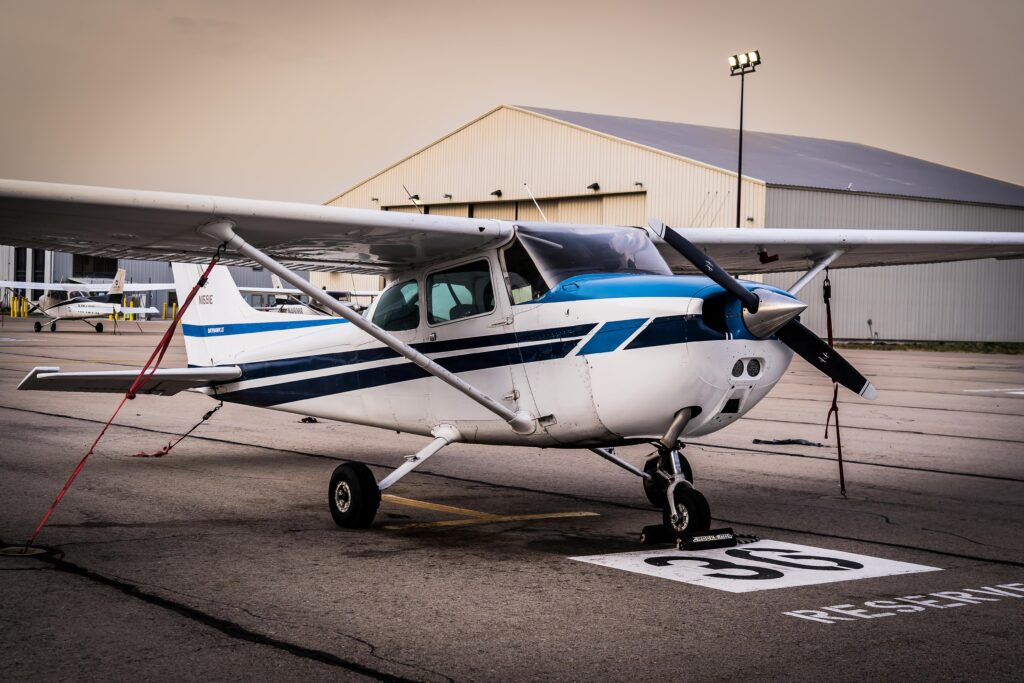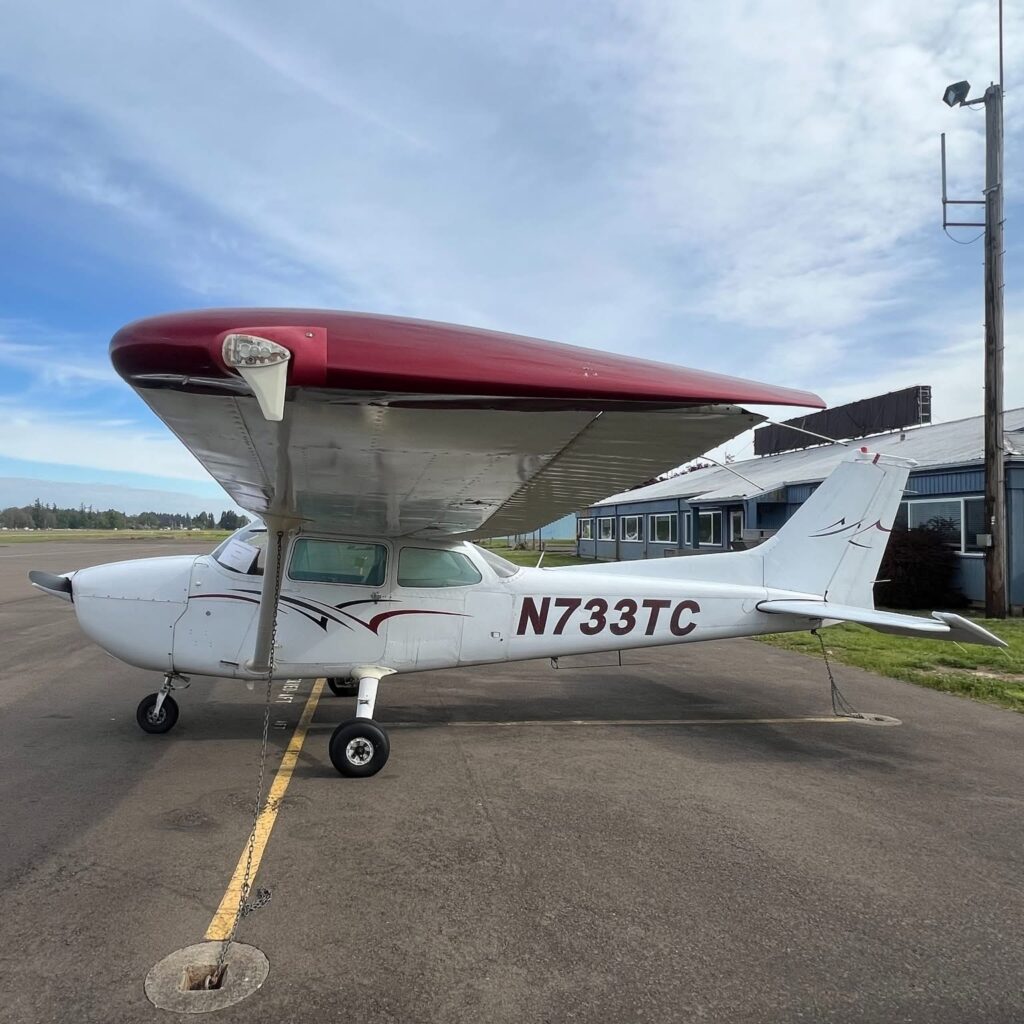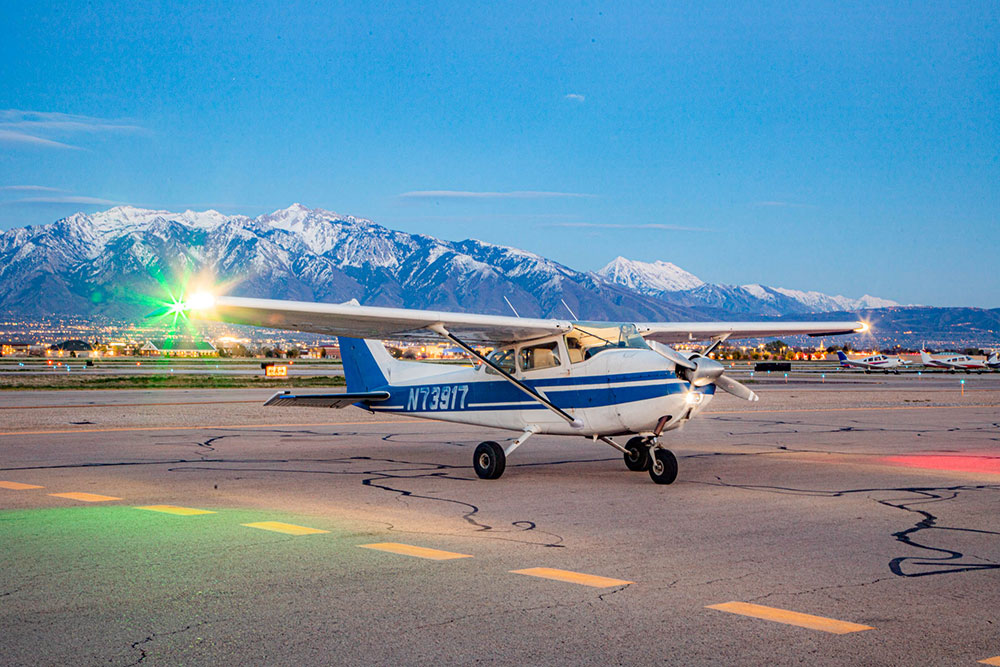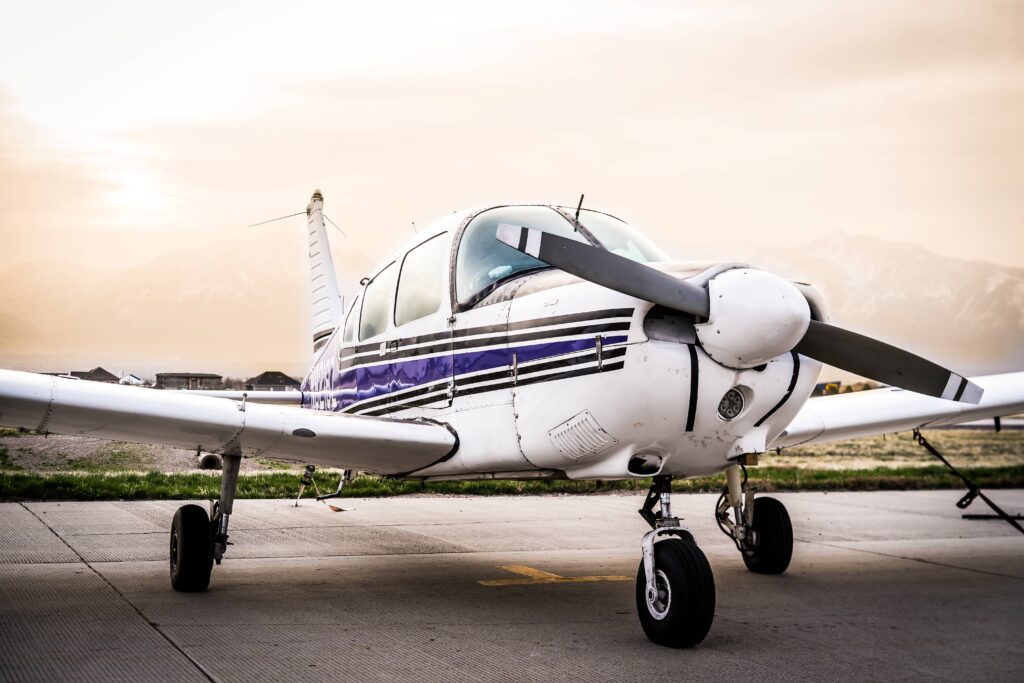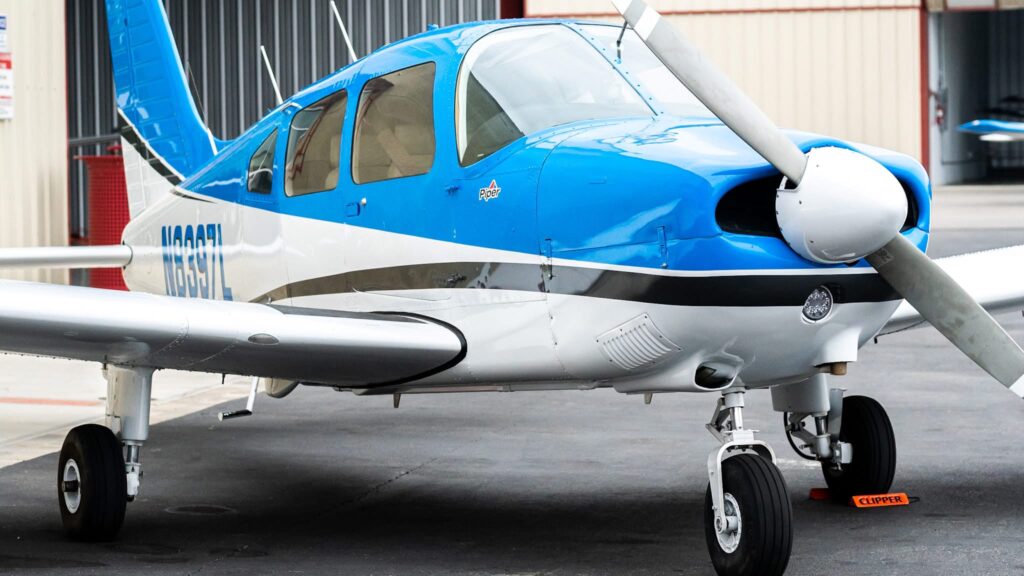
Rent a well maintained airplane on terms that fit how you actually fly, starting with the Cessna 172N – N1591E and its Power Flow exhaust, USB charging ports, engine pre-heater, and LED landing and taxi lights. Glidepath Aviation keeps rental and lease options open across Texas and Utah to student pilots, private pilots staying current, instrument candidates, and time builders working toward a commercial certificate. Pilots who want maximum visibility for sightseeing, valley flying, or evaluating an unfamiliar strip should compare the high wing airplanes on the line. Anyone focused on training, proficiency work, or economical hour building can start with the single engine airplanes and move up from there. Every airframe requires a checkout with a CFI and is supported by a team that treats safety, maintenance, and pilot support as the baseline rather than the pitch.
Compare the airplanes available for rent and pick the one that matches your certificate, your mission, and your budget rather than whatever happens to be free. Glidepath Aviation keeps its fleet current, well equipped, and available on both hourly and lease terms at fields across Texas and Utah.
Here is how the process works, start to finish:
The airplanes on this line are chosen for the flying renters actually do, which means training, proficiency work, instrument practice, cross country trips, and serious hour building rather than showroom appeal. Glidepath Aviation operates from general aviation fields in Texas and Utah, and you can expect modern avionics on much of the fleet, including Garmin navigators, ADS-B compliance, and glass displays on several airframes, along with practical upgrades such as engine conversions, exhaust modifications, LED lighting, USB charging, and engine pre-heaters. Equipment varies by tail number, so confirm the panel and the configuration on the specific airplane you intend to reserve rather than assuming the fleet is uniform.
Rental requirements follow what the FAA already asks of you, so arrive with your paperwork current. Bring a certificate appropriate to the aircraft and the flight, a valid medical or BasicMed qualification, a flight review completed within the preceding 24 calendar months, and three takeoffs and landings inside the preceding 90 days in the same category and class if you intend to carry passengers. Instrument flight requires instrument privileges plus recent instrument experience or a completed instrument proficiency check, and multi engine operations require the appropriate class rating. Every airframe requires a checkout with a certificated flight instructor regardless of your total time, covering the panel, power settings, handling characteristics, and local procedures. Confirm renter insurance expectations and your deductible before you fly rather than after a claim.
Two planning habits separate renters who have easy days from those who do not. The first is running real performance numbers instead of relying on memory, because density altitude, weight, and temperature change takeoff distance and climb rate far more than most pilots expect, and a full cabin on a warm afternoon is a different airplane than the one in the book. This matters especially in Utah, where field elevations sit thousands of feet above sea level and terrain rises quickly. The second is treating weather as a decision point rather than a formality, which means checking current observations and forecasts, reviewing charts, TFRs, and NOTAMs on every preflight, carrying honest fuel reserves, and briefing an alternate you would genuinely be willing to use. Beyond that, understand the daily minimum hours that apply to multi day reservations, arrange proper tie down or hangar space at every overnight stop, and follow the operator’s instructions for storing the aircraft away from base.
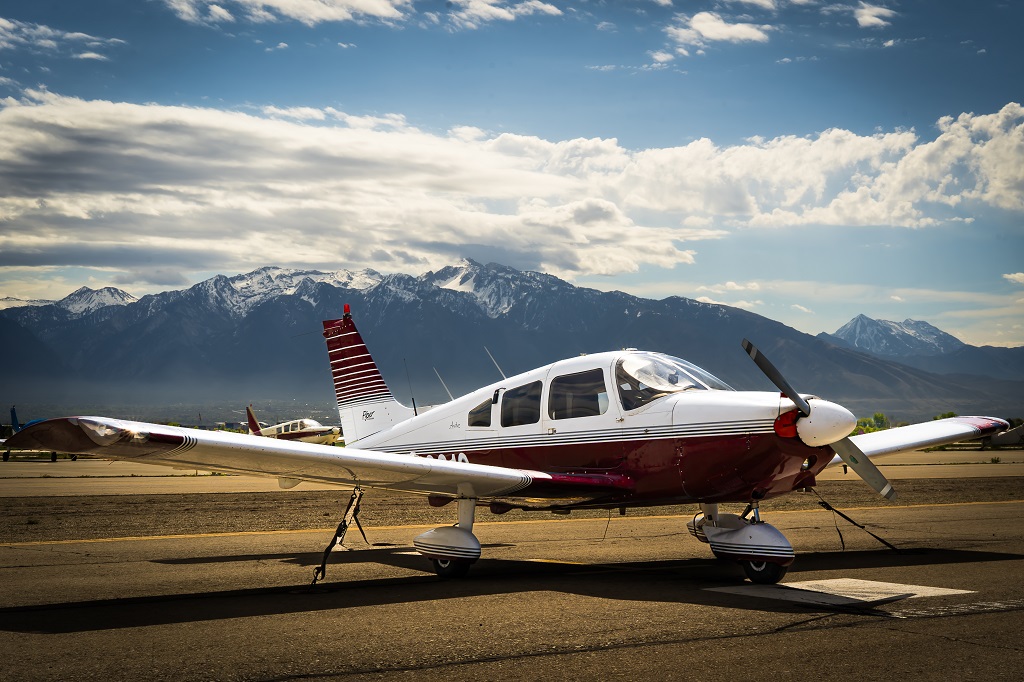
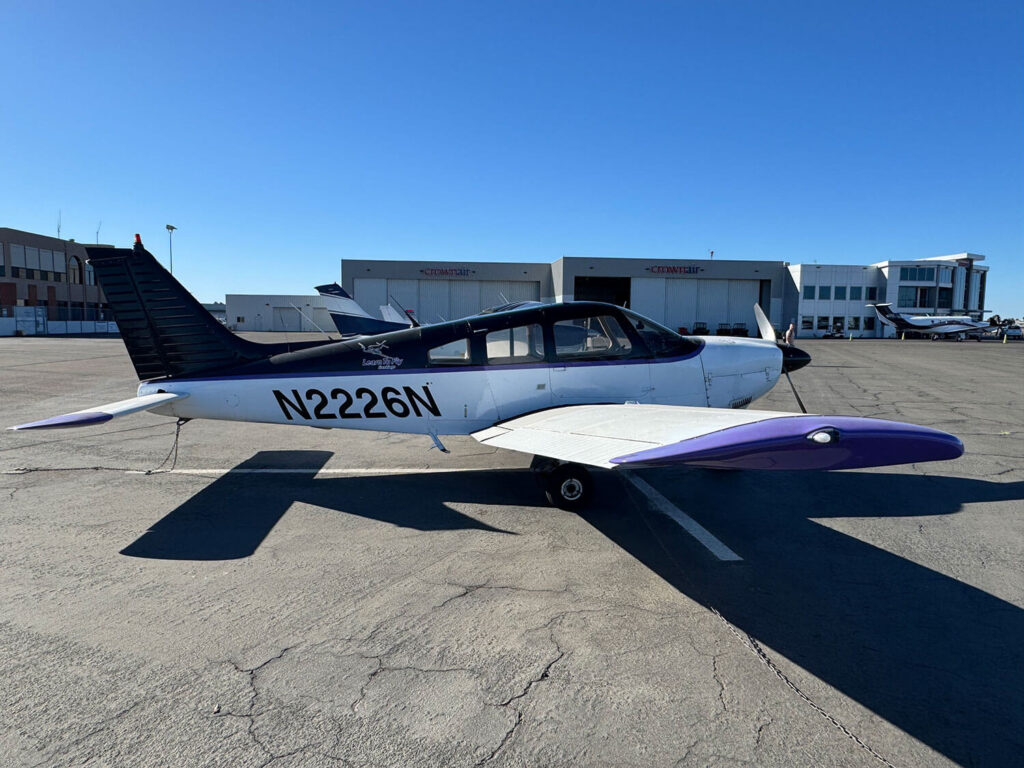
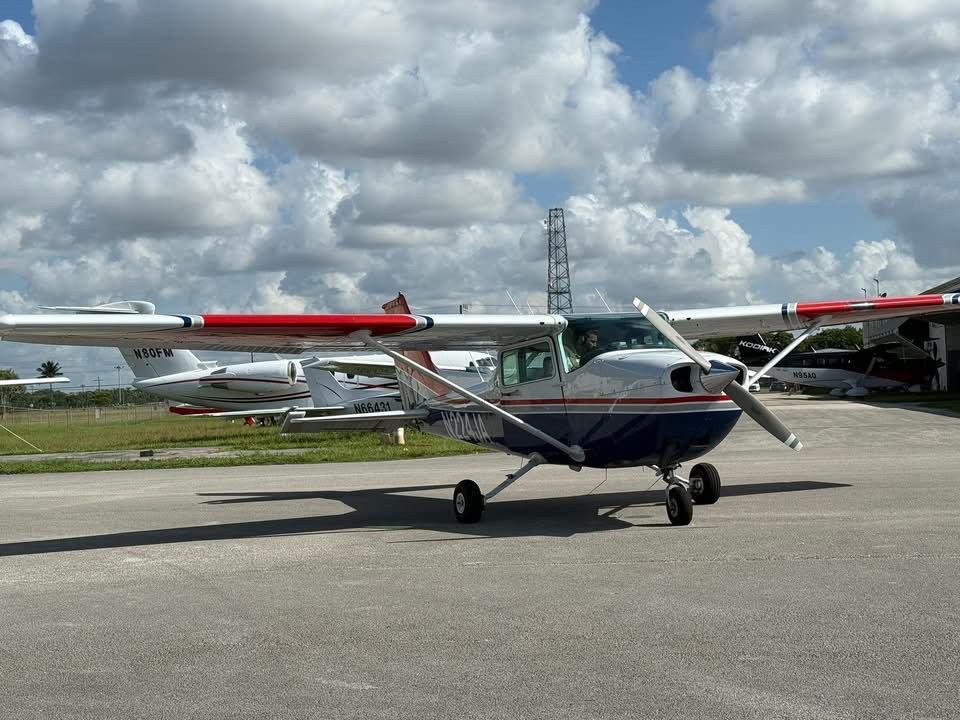
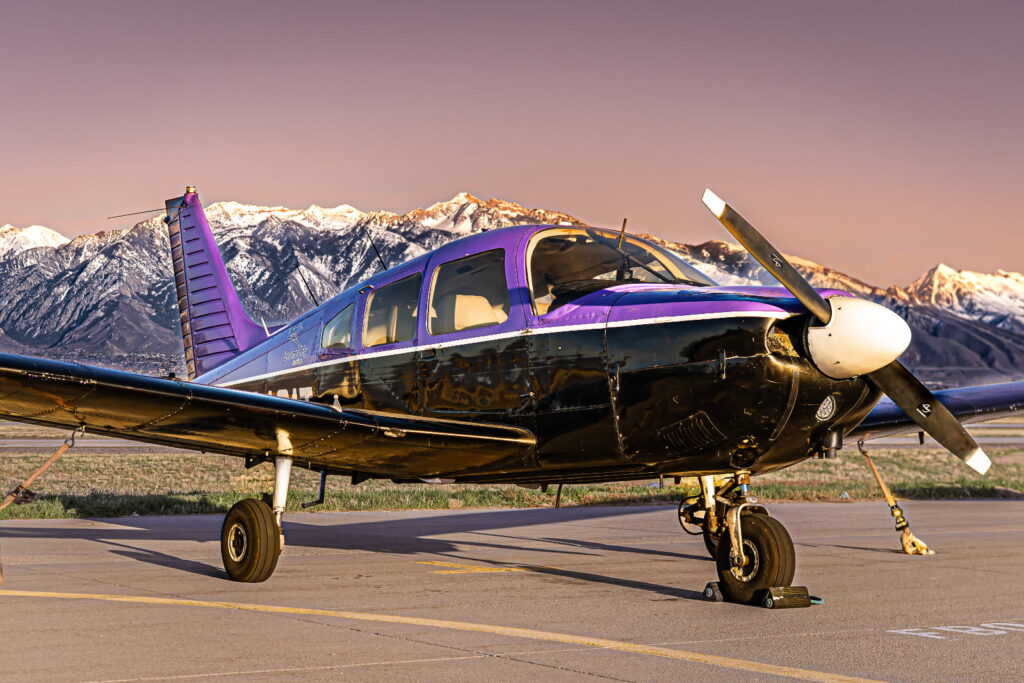
The fleet spans high wing Cessnas and low wing Pipers, with several airframes carrying engine upgrades and modern avionics. Options include a Cessna 172N with a Power Flow exhaust, USB charging, an engine pre-heater, and LED landing and taxi lights, and a 1980 Piper PA-28-181 Archer that is IFR certified. Additional Cessna 172 variants, more Archers, a light sport aircraft, and a twin round out the wider fleet. Availability varies by field across Texas and Utah and by date.
Rentals are priced dry, which means fuel is billed separately from the hourly rate rather than bundled into it. These airframes rent at $120 per hour dry. Buying block hours in advance lowers the effective rate as the block grows: roughly $114 per hour at 25 hours, $108 at 50, $102 at 100, $96 at 200, $90 at 500, and $85 per hour at 1,000 hours. Rates vary by airframe, so confirm pricing for the specific tail number you want.
Yes. Every airplane requires a checkout with a certificated flight instructor before you fly it as a renter, regardless of your total time or how many similar airframes you have flown. The checkout confirms you are comfortable with the specific panel, the engine and propeller configuration, and the handling characteristics of that airplane, and covers local procedures at the field. Budget an hour or two of dual, and bring your logbook and current documents.
It depends on the flying you do most. High wing airplanes give better downward visibility, which matters for sightseeing, following terrain, and evaluating unfamiliar fields, and they provide shade on a hot ramp. Low wing airplanes tend to feel settled in cruise and handle differently in the flare, which many pilots prefer on longer cross country legs. Neither is objectively better. If you can, fly both during checkouts and decide from experience rather than opinion.
Several airframes in the fleet are IFR certified, including the 1980 Piper PA-28-181, and some carry Garmin navigators with WAAS capability or glass displays that support GPS and ILS approach work. Certification and equipment vary by tail number, so confirm the specific airplane before you plan approach training. You will also need instrument privileges plus recent instrument experience or a completed instrument proficiency check to act as pilot in command under IFR.
Yes, and it is usually the most economical path short of ownership or a partnership. The Cessna and Piper airframes in this fleet are reliable, forgiving, and widely flown, so the hours transfer cleanly toward a commercial certificate or an airline application. Block hour purchases lower your effective rate substantially across hundreds of hours. Pilots working to a deadline should discuss scheduling priority up front and consider a lease if availability would otherwise become the bottleneck.
Renting is transactional. You reserve an airplane, fly it, and pay for the time you use. Leasing gives you longer term and more predictable access to a specific airframe, which suits pilots training toward a rating on a fixed schedule, flight instructors building a client base, and small business owners who need dependable travel capability. Lease terms address scheduling priority, minimum usage, and maintenance expectations, so review those details closely before committing.
Yes. Longer reservations generally carry a daily minimum number of flight hours so the airplane is not sitting unused on a distant ramp, and you are responsible for arranging proper tie down or hangar space at each overnight stop. Discuss your route, planned fuel stops, and weather contingencies with Glide Path Aviation in advance. Pilots who make trips like this regularly often find a lease arrangement costs less over a year than repeated multi day rentals.