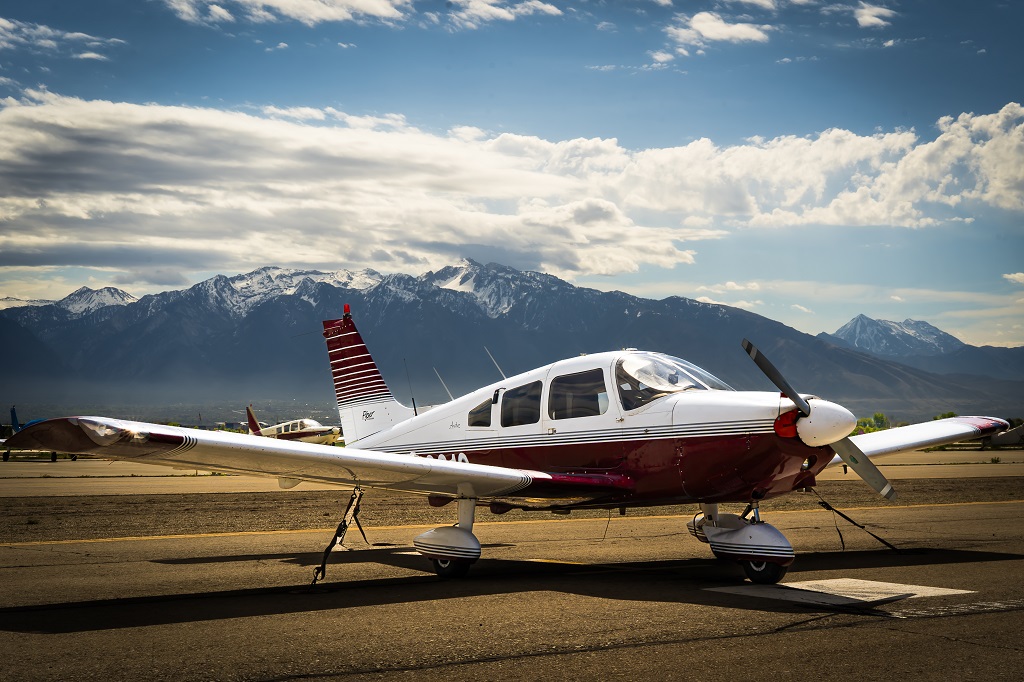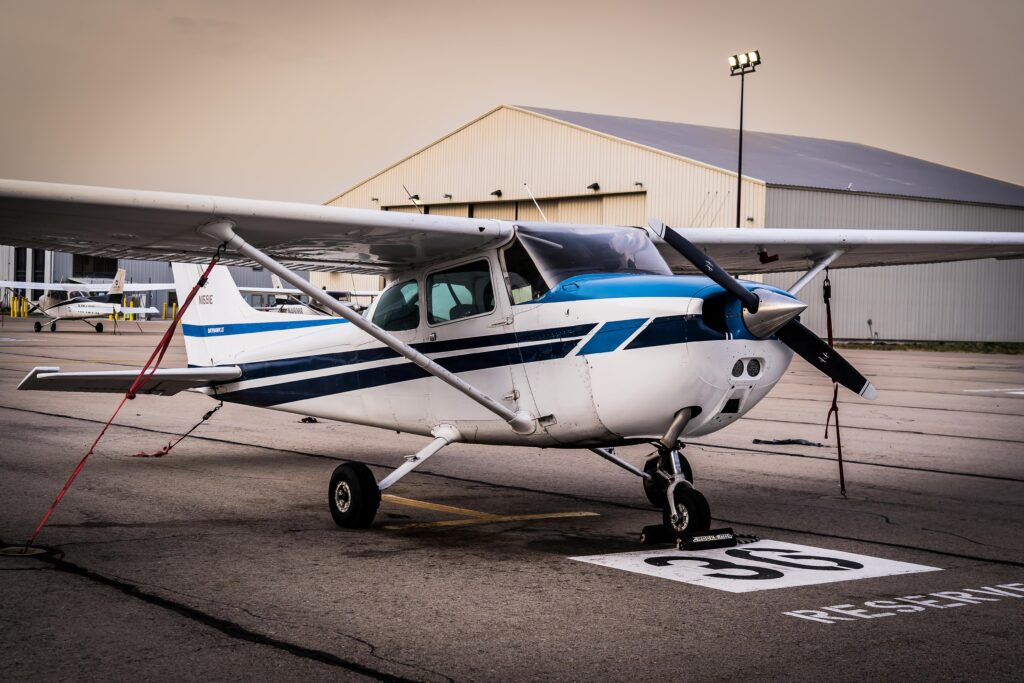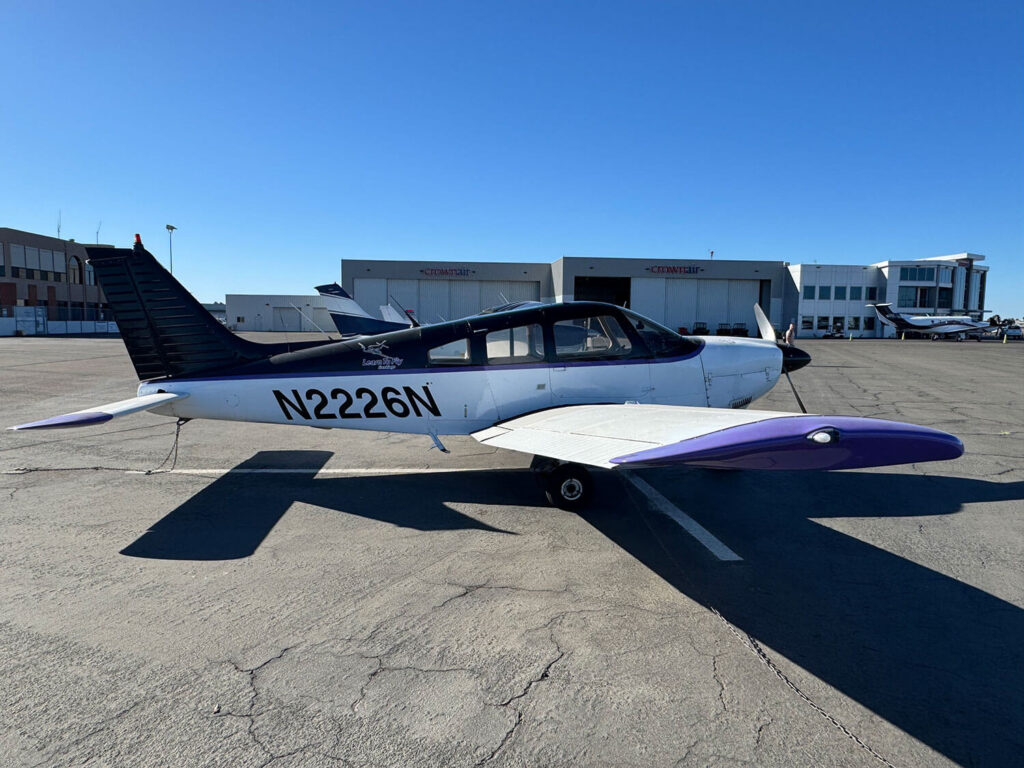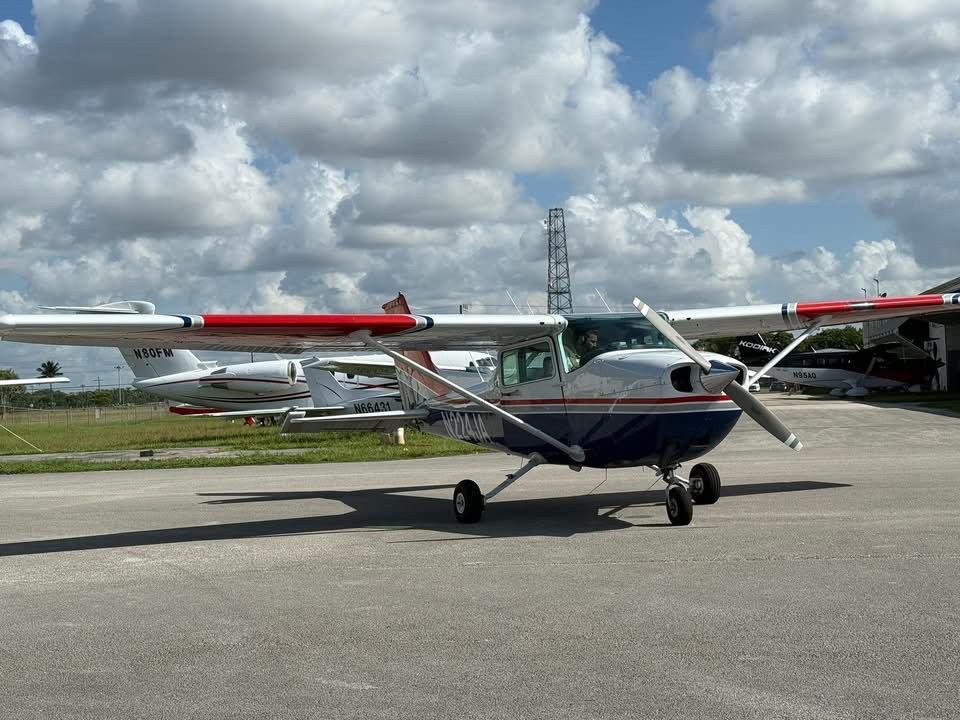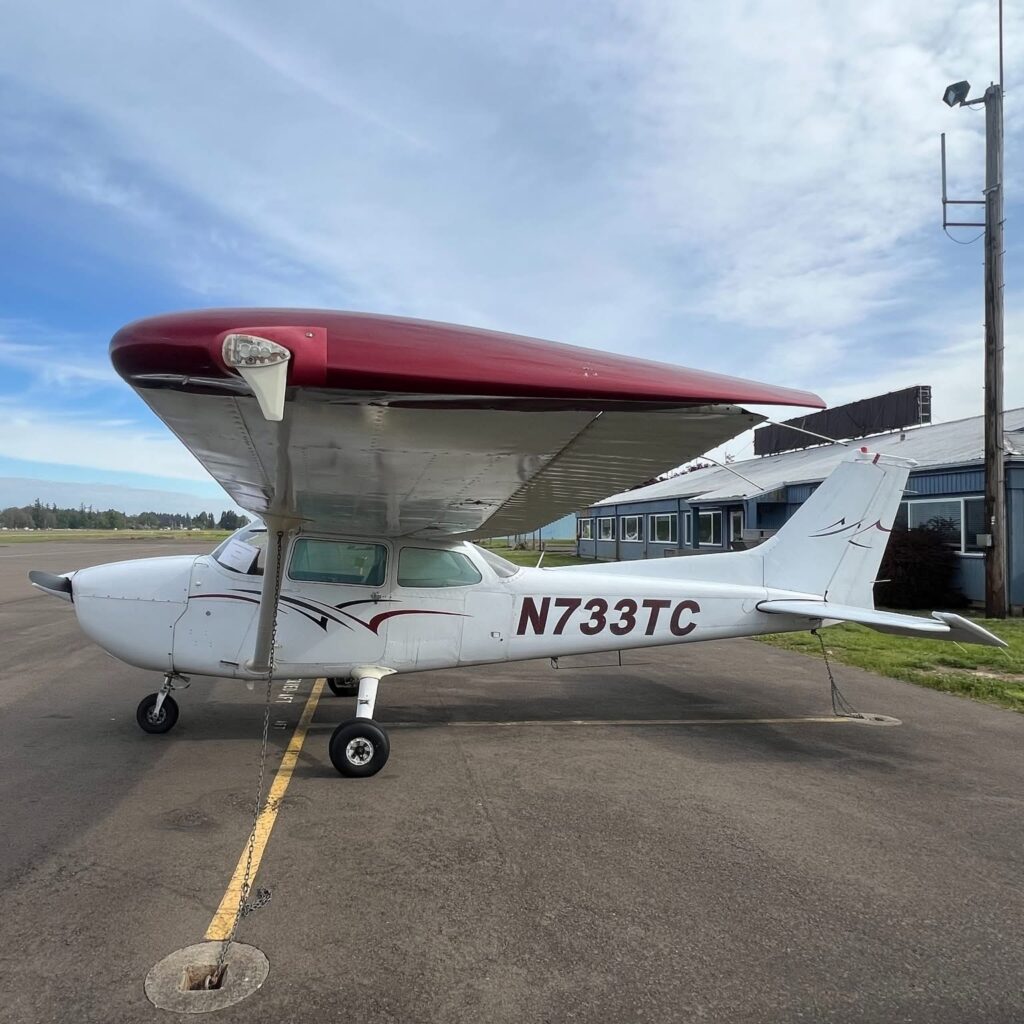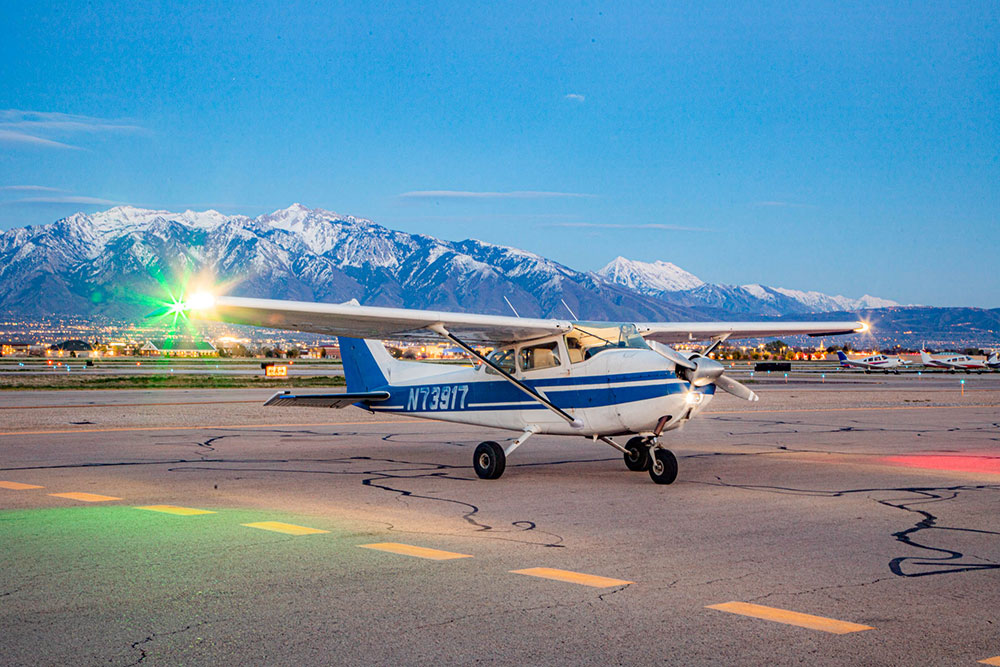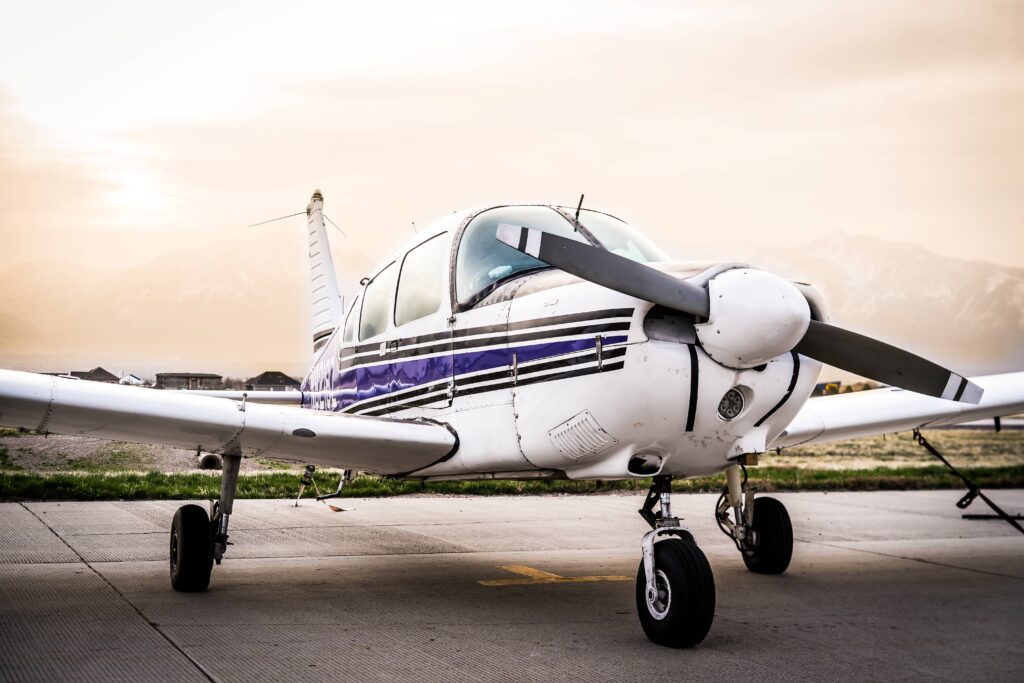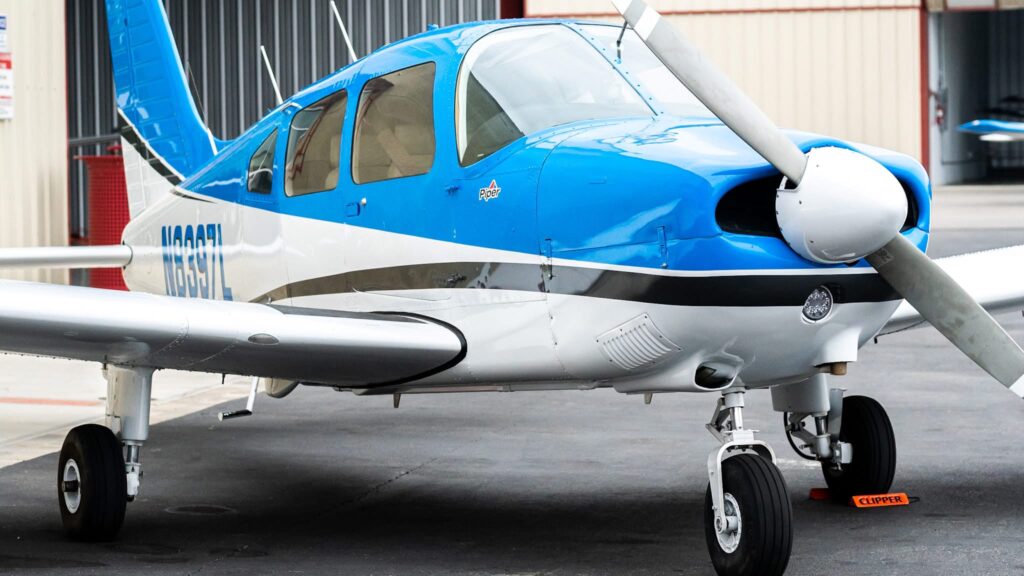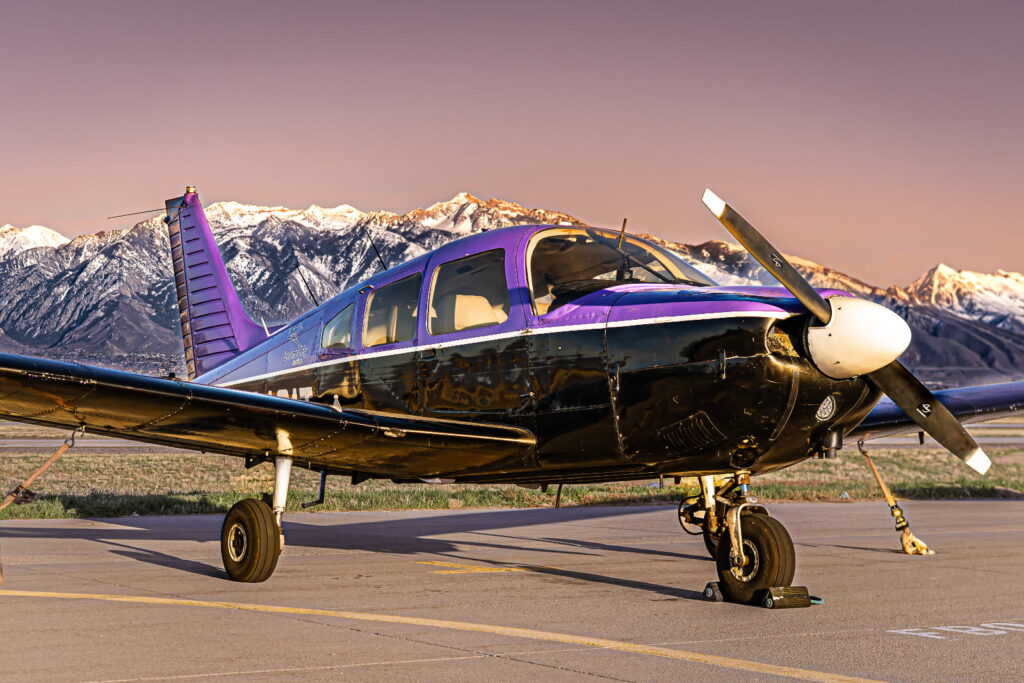
Start with the Cessna 172N – N1591E, a high wing single carrying a Power Flow exhaust for better climb and cruise, USB charging ports, an engine pre-heater, and LED landing and taxi lights. Glidepath Aviation keeps single engine airplanes available across Texas and Utah for student pilots, private pilots staying current, instrument candidates, and time builders working toward a commercial certificate. Pilots who want a low wing with instrument capability can book the IFR certified Piper PA-28-181 – N8218Z, a 1980 Archer suited to approach work and longer cross country legs. Compare the high wing airplanes on the line if downward visibility and easier cabin access matter more to you than ramp presence. Every airframe requires a checkout with a CFI and is supported by a team that treats safety, maintenance, and pilot support as the baseline.
Rent a single and you get the airplane that does most of the useful flying in general aviation, at a cost per hour that makes training, proficiency work, and hour building genuinely sustainable. Glidepath Aviation keeps single engine Cessnas and Pipers available on hourly and lease terms at fields across Texas and Utah.
Here is how the process works, start to finish:
A single engine airplane is the right tool for the overwhelming majority of what renters actually do. It costs meaningfully less per hour than a twin, burns less fuel, carries lower insurance expectations, and is simpler to manage in the cockpit, which means more of your attention goes to flying and less to systems. Nearly every certificate and rating short of a multi engine add-on is earned in one. The fleet here spans high wing Cessna 172 variants and low wing Piper Cherokees and Archers, with engine conversions to 180 horsepower on several airframes and modern avionics including Garmin navigators, glass displays, and ADS-B compliance. Equipment and certification vary by tail number, so confirm the panel and configuration on the specific airplane you intend to reserve rather than assuming the line is uniform.
Rental requirements follow what the FAA already asks of you, so arrive with your paperwork current. Bring a certificate appropriate to the aircraft and the flight, a valid medical or BasicMed qualification, a flight review completed within the preceding 24 calendar months, and three takeoffs and landings inside the preceding 90 days in the same category and class if you intend to carry passengers. Instrument flight requires instrument privileges plus recent instrument experience or a completed instrument proficiency check. Every airframe requires a checkout with a certificated flight instructor regardless of your total time, covering the panel, power settings, handling characteristics, and local procedures at the field. Settle renter insurance expectations and your deductible before you fly rather than after a claim.
Single engine flying rewards two disciplines in particular. The first is honest performance planning, because a single has one source of thrust and no second engine to cover a shortfall, which makes density altitude, weight, and runway length real constraints rather than academic ones. That matters especially at the Utah fields, where elevations sit thousands of feet above sea level and terrain rises quickly, and on hot Texas afternoons when a full cabin turns the book numbers optimistic. The second is thinking through engine failure before it is theoretical: knowing your glide distance, keeping landable terrain in mind on every leg, briefing what you would do on takeoff at various altitudes, and choosing routes that leave you options. Beyond that, check current observations and forecasts, review charts, TFRs, and NOTAMs on every preflight, carry honest fuel reserves, understand the daily minimum hours attached to multi day reservations, and arrange proper tie down or hangar space at each overnight stop.
The line covers both wing configurations. High wing options are Cessna 172 variants, including a 1978 172N with a Power Flow exhaust, a 1976 172N with dual G5s and a GNX 375, a 1986 172P with a 180 horsepower Lycoming, a 172N with a Penn Yan 180HP engine and a Garmin GTN 650xi, and a 172N converted to 180 horsepower. Low wing options include a Piper Cherokee PA-28-180 and several PA-28-181 Archers. Availability varies by field across Texas and Utah.
Rentals are priced dry, so fuel is billed separately from the hourly rate rather than bundled into it. These airframes rent at $120 per hour dry. Buying block hours in advance lowers the effective rate as the block grows: roughly $114 per hour at 25 hours, $108 at 50, $102 at 100, $96 at 200, $90 at 500, and $85 per hour at 1,000 hours. Rates vary by airframe, so confirm pricing for the tail number you want.
Cost and simplicity, mostly. A single costs substantially less per hour, burns less fuel, carries lower insurance requirements, and demands less cockpit workload, which means more of your attention stays on flying. For training, proficiency, sightseeing, and the large majority of cross country trips, a single does the job well. A twin earns its cost when you need a multi engine rating, redundancy over inhospitable terrain or at night, or the performance and load a light twin provides.
Several, including the 1980 Piper PA-28-181, the 1979 Archer II with its upgraded 180 engine, and the Cessna 172N with a GTN 650xi and dual G5s certified for GPS and ILS approaches. Certification and equipment vary by tail number, so confirm the specific airplane before you plan approach training. You will also need instrument privileges plus recent instrument experience or a completed instrument proficiency check to act as pilot in command under IFR.
Yes. Each airframe requires its own checkout with a certificated flight instructor regardless of your total time. Even within this fleet, airplanes sharing a model designation differ meaningfully. A stock 160 horsepower engine, a Power Flow exhaust, a Penn Yan 180HP conversion, and a Lycoming 180 all behave differently on climb and in cruise, and the panels range from conventional gauges to dual G5s with a touchscreen navigator. Budget an hour or two of dual.
It is the standard choice, and for good reason. The hourly cost makes hundreds of hours financially realistic, the airframes in this fleet are reliable and widely flown so the time transfers cleanly toward a commercial certificate or an airline application, and block hour purchases reduce your effective rate significantly across a long program. Most pilots build the bulk of their hours in a single and add multi engine time separately once the rest of the requirements are met.
It depends on the flying you do. High wing Cessnas give better downward visibility for sightseeing, following terrain, and evaluating unfamiliar fields, plus shade on the ramp and easier cabin access. Low wing Pipers feel settled in cruise and handle differently in the flare, which many pilots prefer for longer trips. Neither is objectively better. If your schedule allows, fly both during checkouts and decide from experience rather than reputation.
With one engine there is no redundancy, so planning replaces it. Know the airplane’s glide ratio and roughly how far you can travel from a given altitude. Keep landable terrain in mind as you plan a route rather than discovering the lack of it mid leg. Brief your takeoff decision points before every departure. Fly at altitudes that preserve options, particularly over mountainous country. None of this makes single engine flying unsafe, but it does make preparation the substitute for a second engine.