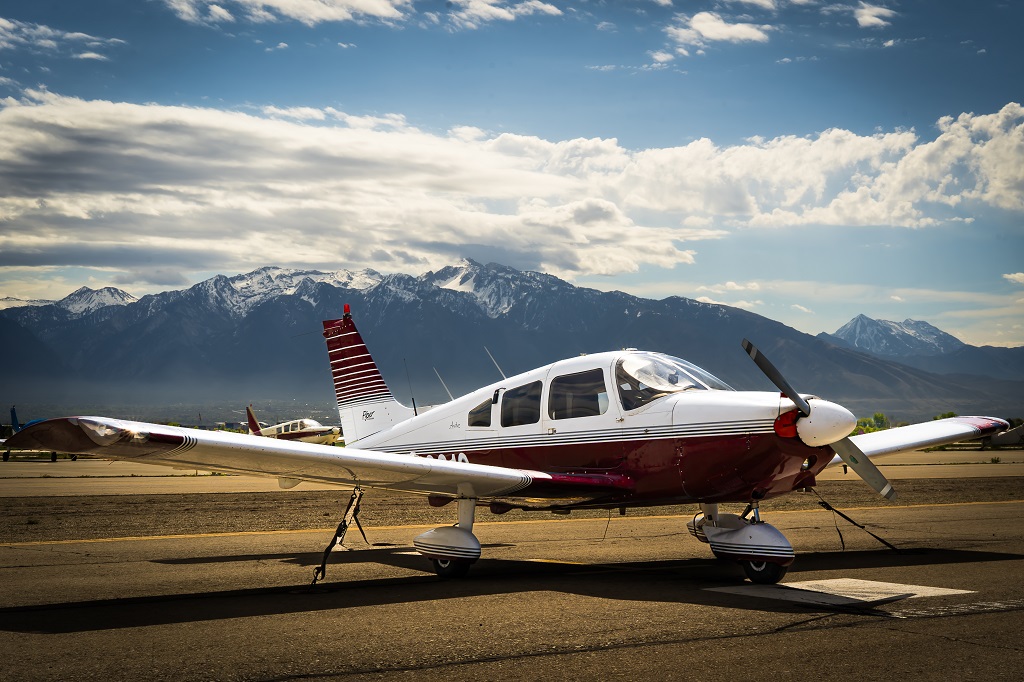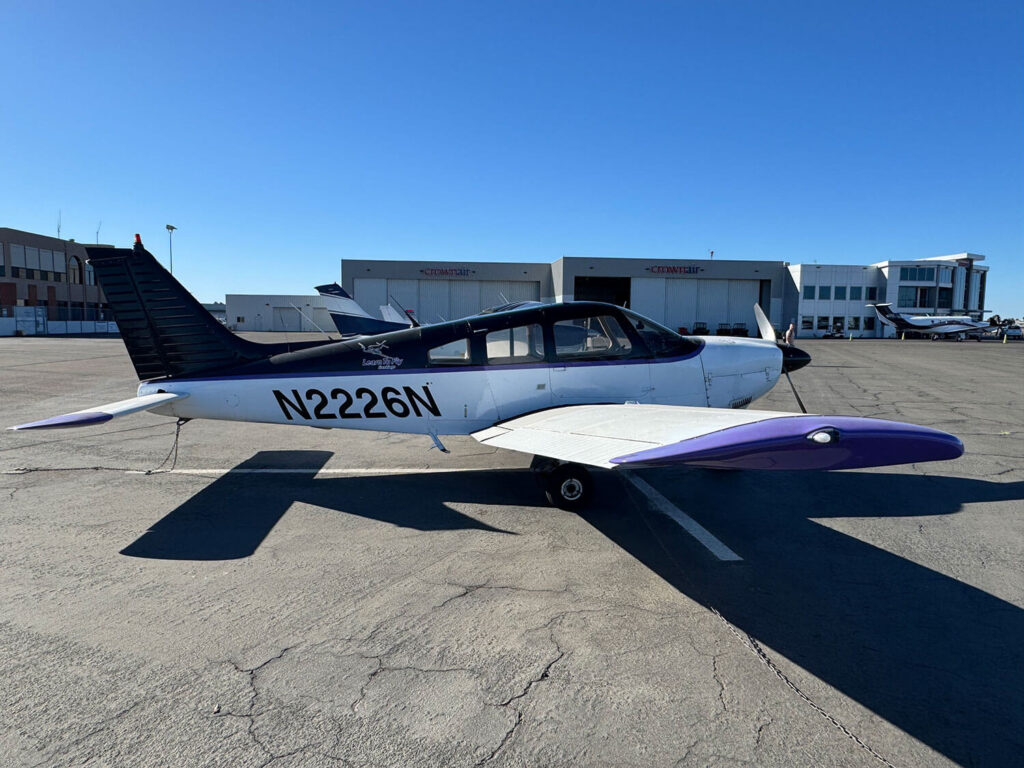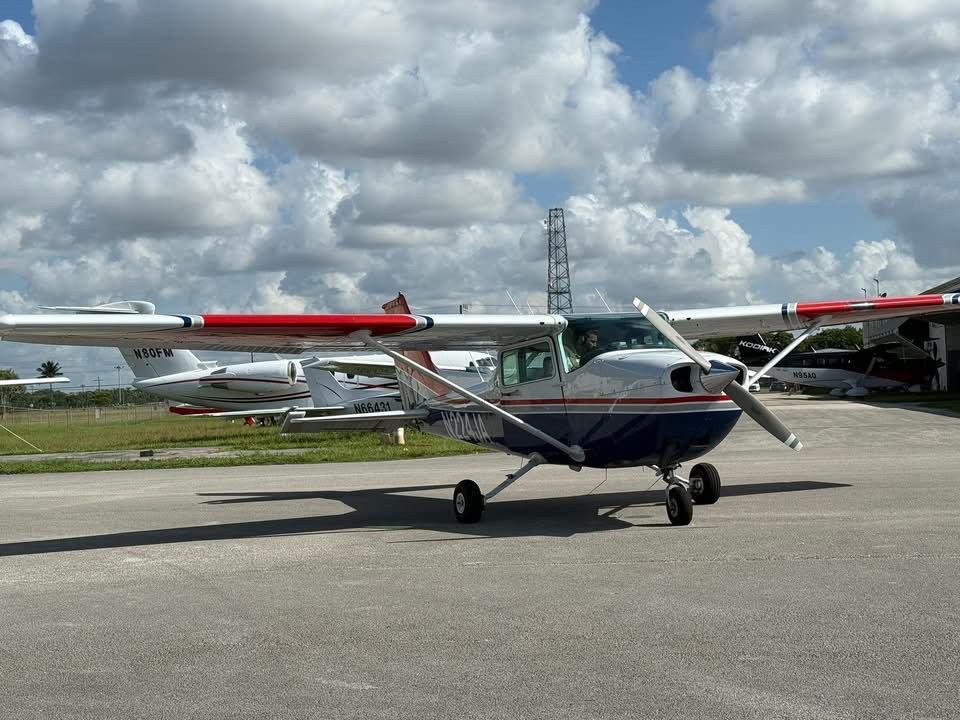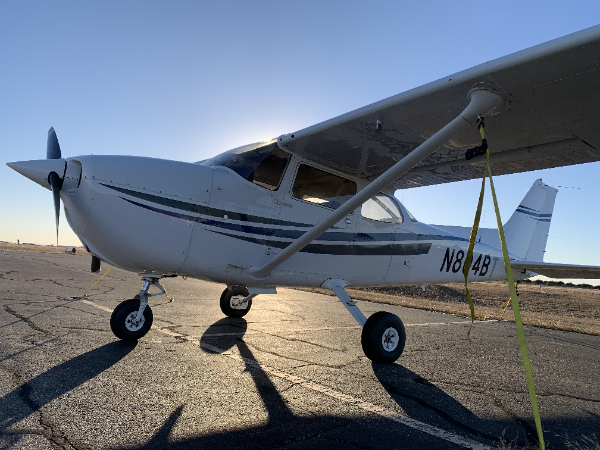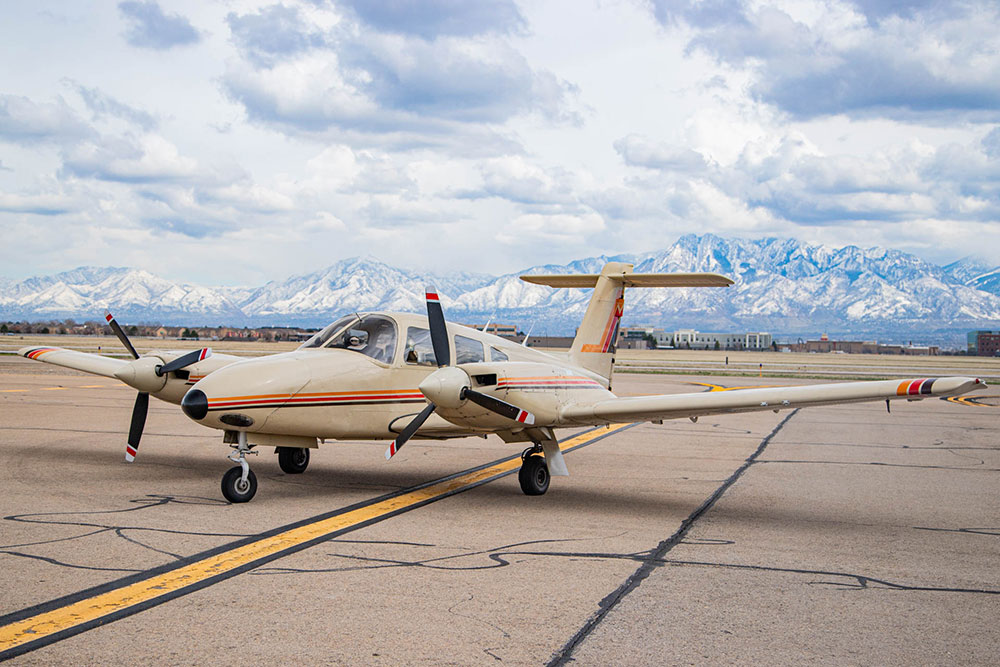
Book the turbocharged Piper PA-44-180T – N83628 for multi engine training, twin time, or a rating you have been putting off, complete with a GNX 375 touchscreen, ADS-B in and out, and IFR certification for GPS and ILS approaches. Glidepath Aviation runs its deepest rental line at KSVR, serving student pilots, instrument candidates, multi engine applicants, and time builders across the Salt Lake Valley. Single engine pilots get real capability too, including the Cessna 172N – N804BL with a 180HP Penn Yan engine, a Garmin GTN 650xi, and dual G5s. Low wing pilots can take the fully IFR certified 1979 Piper PA-28-181 – N2226N, an Archer II running an upgraded 180 engine. Every airframe requires a CFI checkout and is backed by a team that treats safety, maintenance, and pilot support as the baseline.
Fly from South Valley Regional Airport, where Glidepath Aviation keeps more aircraft on the line than at any other field it serves, including a turbocharged twin available to renters. Whether you are starting a rating or finishing one, the process at KSVR is straightforward from first inquiry to checkout.
Here is how the process works, start to finish:
West Jordan, Utah puts you in the middle of the Salt Lake Valley’s general aviation activity. South Valley Regional Airport (KSVR) sits at roughly 4,600 feet with the Oquirrh Mountains to the west, the Wasatch Range to the east, and the valley opening north toward the Great Salt Lake. It is a working training field rather than a quiet strip, which means traffic density is real and worth respecting, and it is also where Glidepath Aviation concentrates its fleet, so aircraft selection and instructor availability are both better here than at a smaller field.
Rental requirements follow what the FAA already asks of you, so arrive with your paperwork current. Bring a certificate appropriate to the aircraft and the flight, a valid medical or BasicMed qualification, a flight review completed within the preceding 24 calendar months, and three takeoffs and landings inside the preceding 90 days in the same category and class if you plan to carry passengers. Instrument flight requires instrument privileges plus recent instrument experience or a completed instrument proficiency check, and multi engine operations require the appropriate class rating. Every airframe requires a CFI checkout regardless of your total time, and with glass panels and a turbocharged twin on the line that requirement is doing real work rather than covering paperwork. Settle renter insurance and your deductible before you fly rather than after a claim.
Airspace is the defining consideration at this field. KSVR sits beneath Salt Lake City’s Class B airspace, so understanding the shelf altitudes, avoiding an inadvertent entry, and knowing how to request a clearance when you want one all belong in your preflight rather than your after action review. Review the chart supplement for current field procedures and frequencies before your first flight, and expect meaningful traffic in the pattern. Terrain and altitude do the rest of the work. A field at roughly 4,600 feet means density altitude on a warm afternoon can pass 8,000 feet, which lengthens takeoff rolls and flattens climb rates against mountains that rise well above 11,000 feet on both sides of the valley. Multi engine pilots should note that a single engine service ceiling in the 9,500 foot range is below surrounding peaks, so engine out planning here is a route and altitude decision rather than an abstraction. Mountain wave, canyon wind, and afternoon thermals are routine, winter brings inversions, snow, ice, and preheat considerations, and current charts, TFRs, and NOTAMs deserve a look every single time.
KSVR carries the deepest line Glidepath Aviation operates. It includes a turbocharged Piper PA-44-180T Seminole, a Piper Cherokee PA-28-180, two Piper PA-28-181 Archers with one running an upgraded 180 engine and full IFR certification, a 1986 Cessna 172P with a 180 horsepower Lycoming, and a Cessna 172N with a Penn Yan 180HP engine and a Garmin GTN 650xi paired to dual G5s. Confirm availability for your dates.
Yes, and it is the main reason pilots choose this field. N83628 is a Piper PA-44-180T Seminole with twin turbocharged 180 horsepower Lycoming engines, IFR certification for GPS and ILS approaches, a recently upgraded GNX 375 with Bluetooth and touchscreen, and ADS-B in and out. Turbocharging matters at Utah altitudes, and the aircraft is noted for low fuel burn relative to conventional light twins, which keeps the cost of a rating more manageable.
The Seminole has a single engine service ceiling of 9,500 feet MSL, which is high for a conventional light twin and a direct benefit of turbocharging. It matters here because the mountains flanking the Salt Lake Valley exceed that altitude in places. An engine failure over high terrain leaves you with a drift down floor rather than level flight capability, so route selection, altitude, and escape planning are genuine decisions on a mountain flight rather than checklist items.
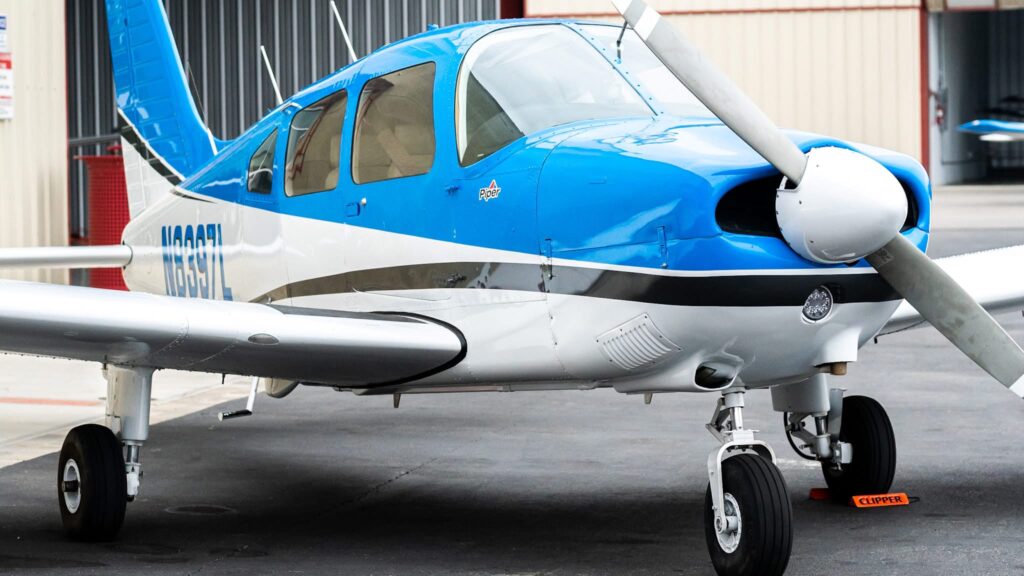
N804BL, the Cessna 172N, is the standout. It pairs a touchscreen Garmin GTN 650xi with dual G5s, which makes it fully IFR certified for GPS and ILS approaches, and it runs a new 180HP Penn Yan engine with a fixed pitch propeller for strong climb performance. N2226N, the Archer II, is also fully IFR certified with an upgraded 180 engine. Either is a capable instrument platform, so choose based on wing preference.
Yes, and with this fleet it genuinely matters. Every airframe requires a checkout with a certificated flight instructor regardless of your total time. The differences across this line are substantial, spanning a Cherokee, two Archers, two 172 variants with different engines and panels, and a turbocharged twin. The checkout covers panel and systems management, power settings, handling, and local procedures at KSVR. Expect the Seminole checkout to take considerably longer than a single engine transition.
Directly, because the field sits underneath it. You need to know the shelf altitudes in your operating area, plan climbs so you do not enter Class B without a clearance, and understand how to request one when your route calls for it. This is not difficult, but it is unforgiving of vagueness. Brief the sectional and terminal area chart before your first flight, and have your instructor walk the local departure and arrival procedures during checkout.
It is arguably the best in the fleet for it. You get economical single engine airframes for the bulk of your hours, IFR capable aircraft for instrument work, and a twin on the same ramp for the multi engine time a commercial or airline track eventually requires, all without relocating or coordinating across operators. Block hour purchases lower your effective rate across a long program, and lease arrangements suit pilots who need reliable, consistent access.
Three things. Class B airspace overlies the field, so altitude awareness is not optional. Density altitude at roughly 4,600 feet climbs past 8,000 feet on warm afternoons, so run real performance numbers instead of trusting habit, and plan mountain flying for early morning. And the terrain on both sides of the valley rises above 11,000 feet, which means mountain wave, canyon wind, and downdrafts are routine rather than exceptional. Get a local checkout that covers all three.