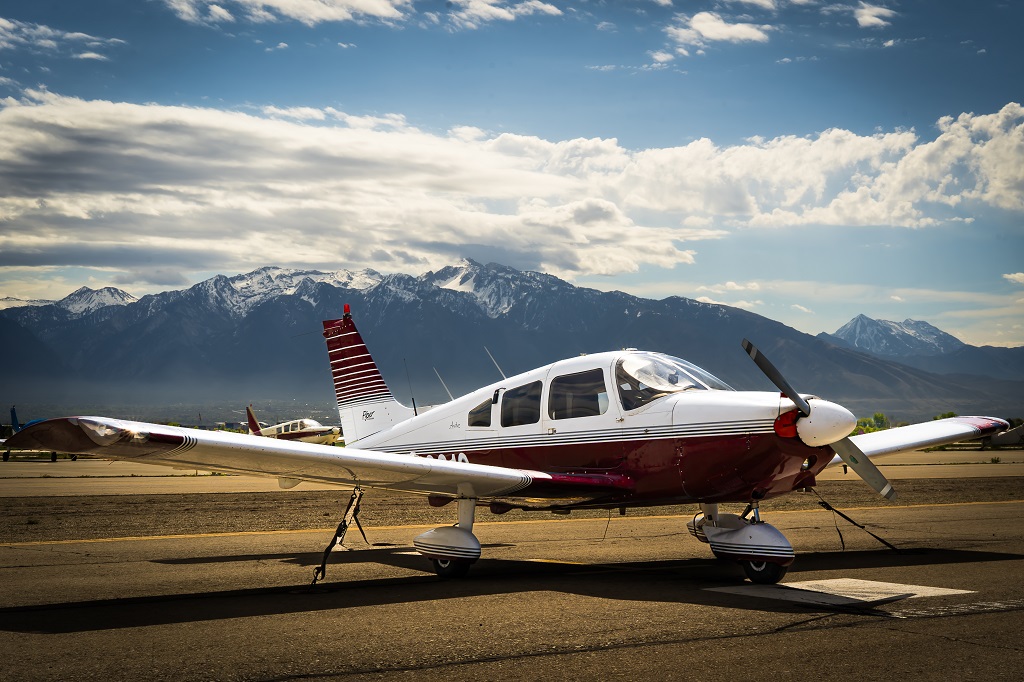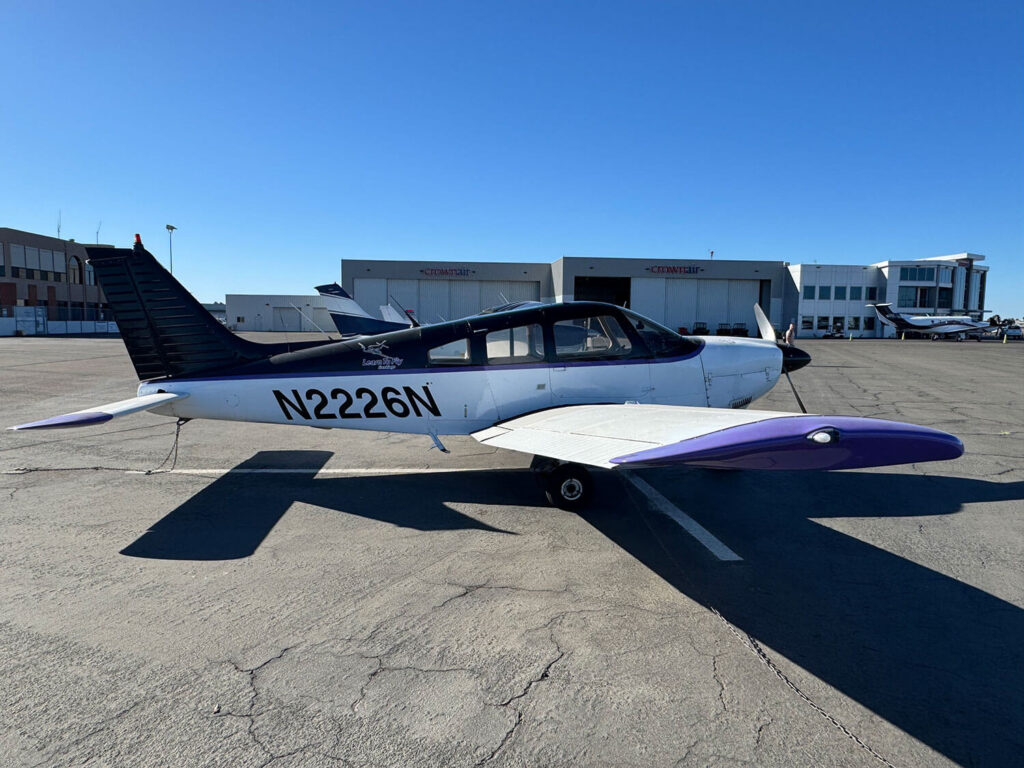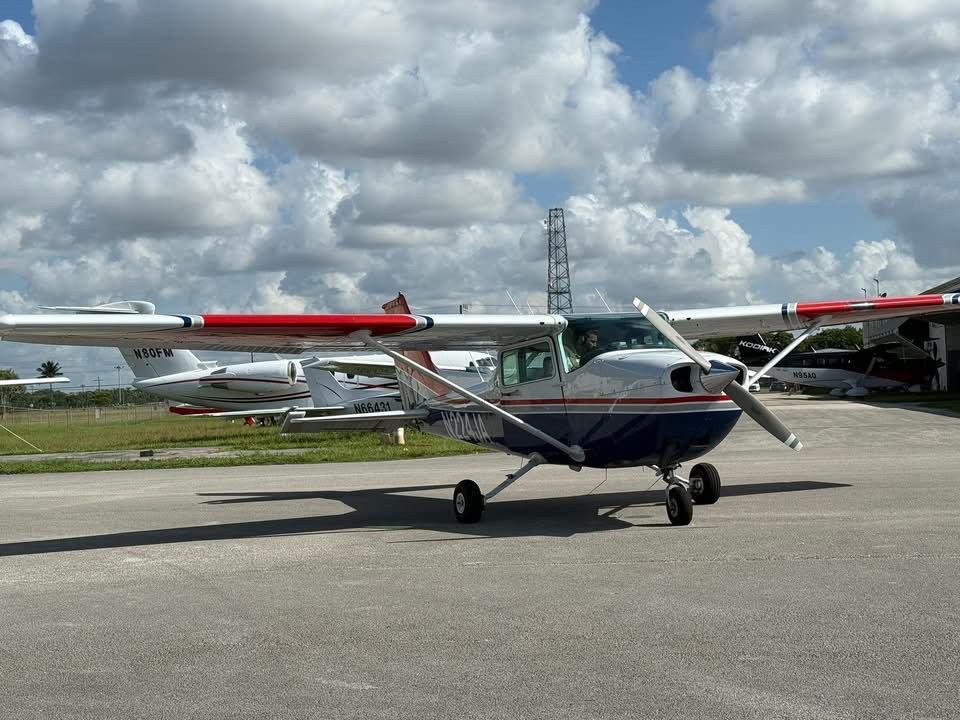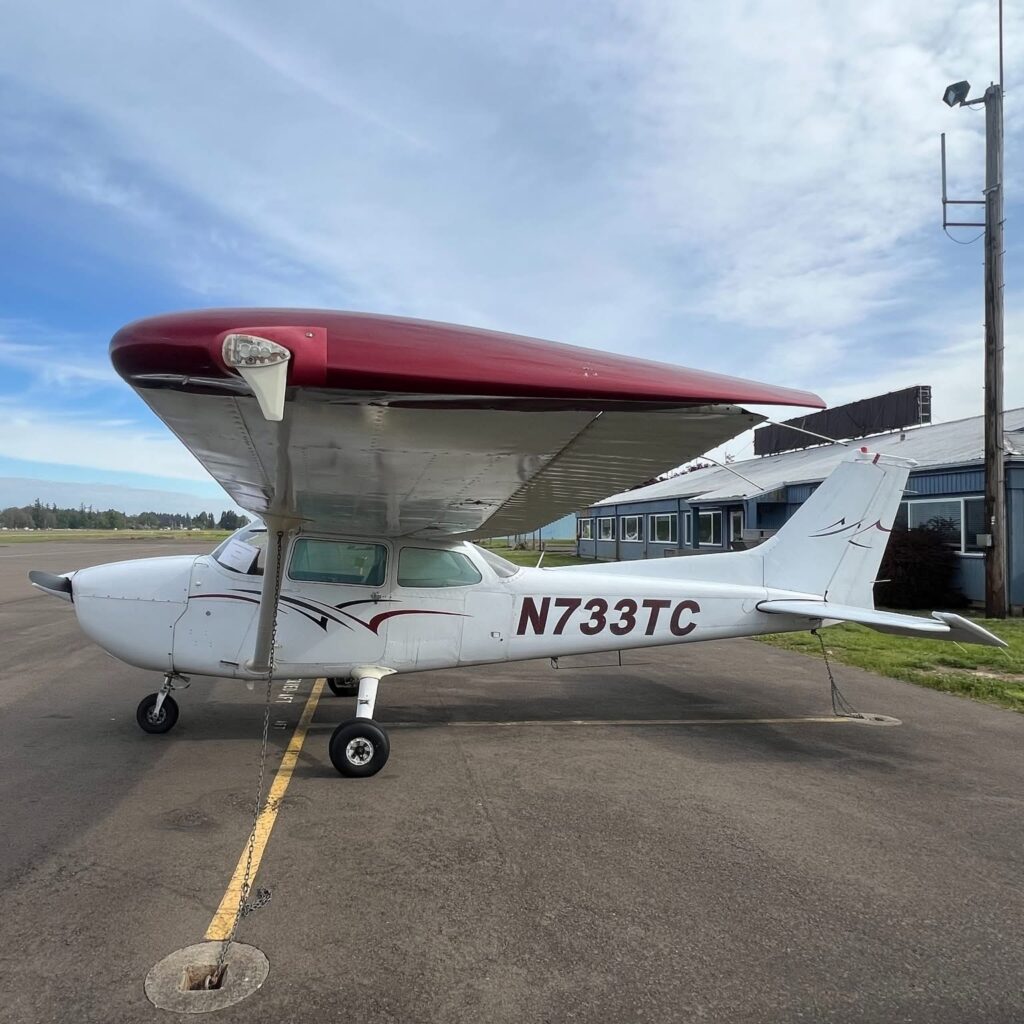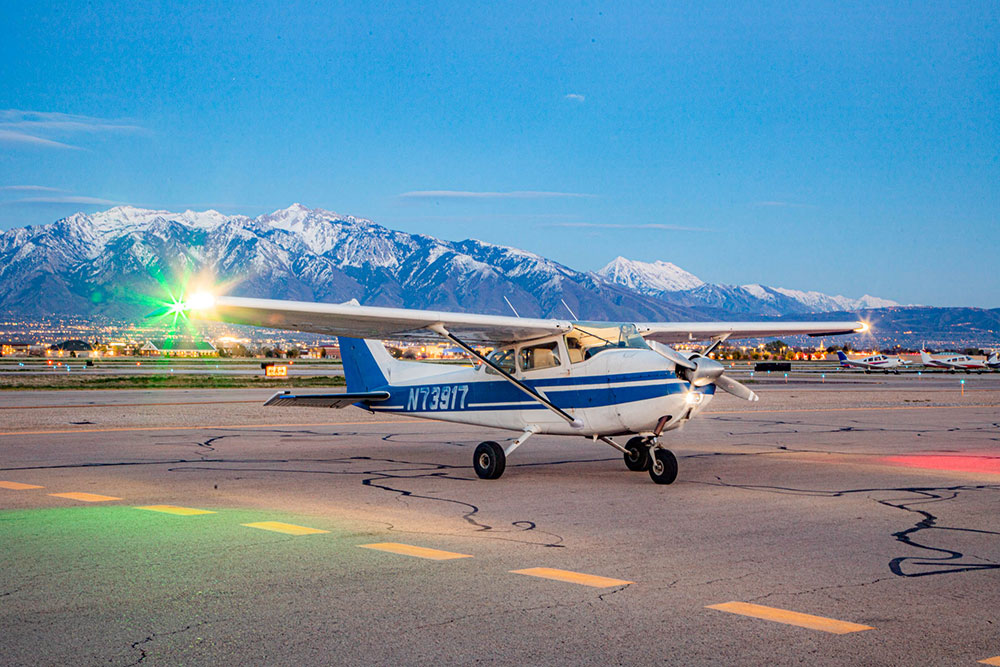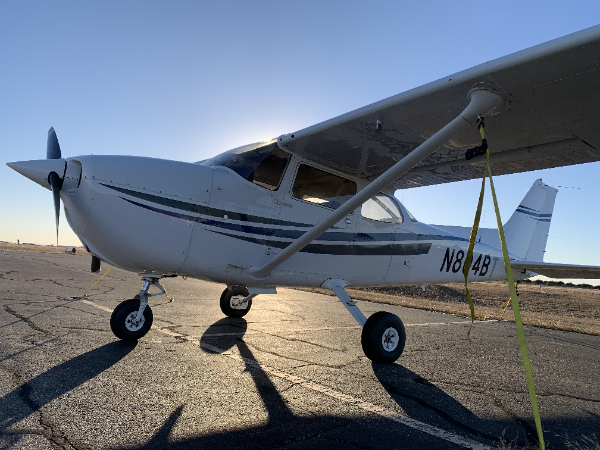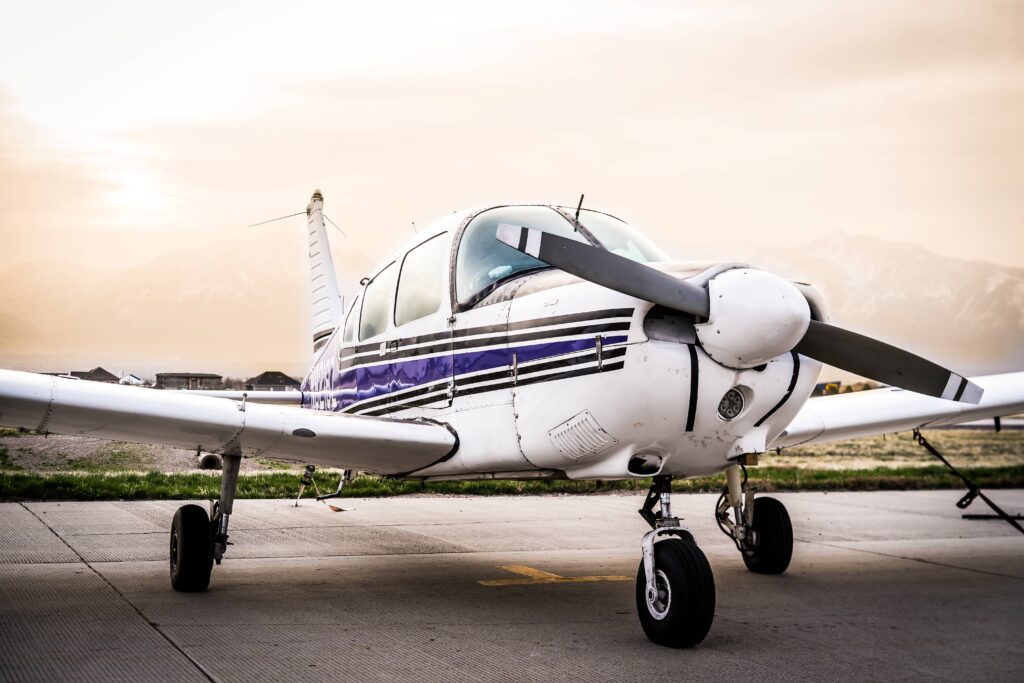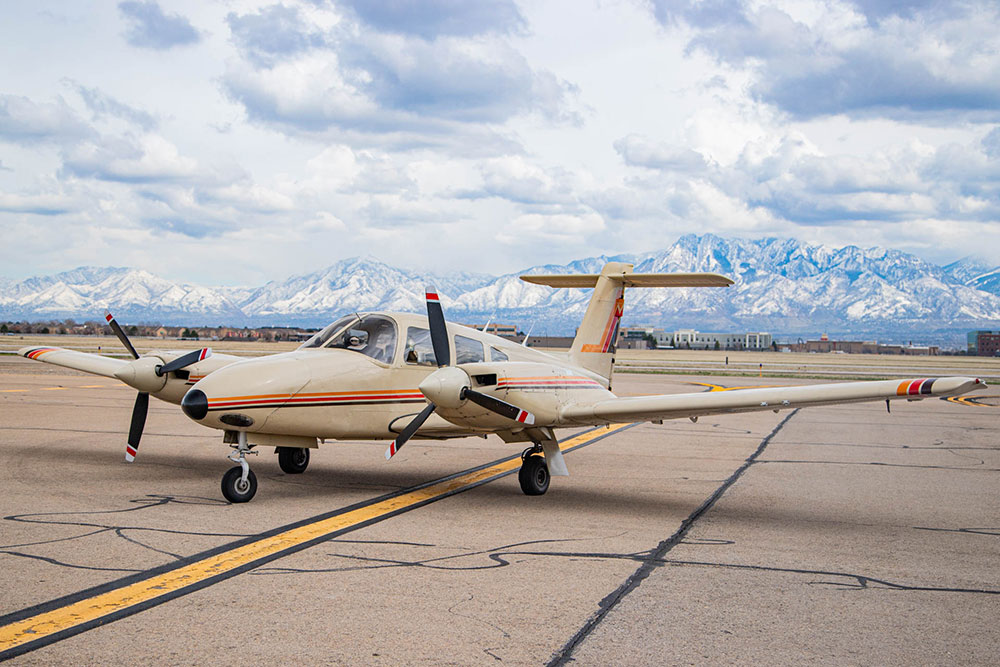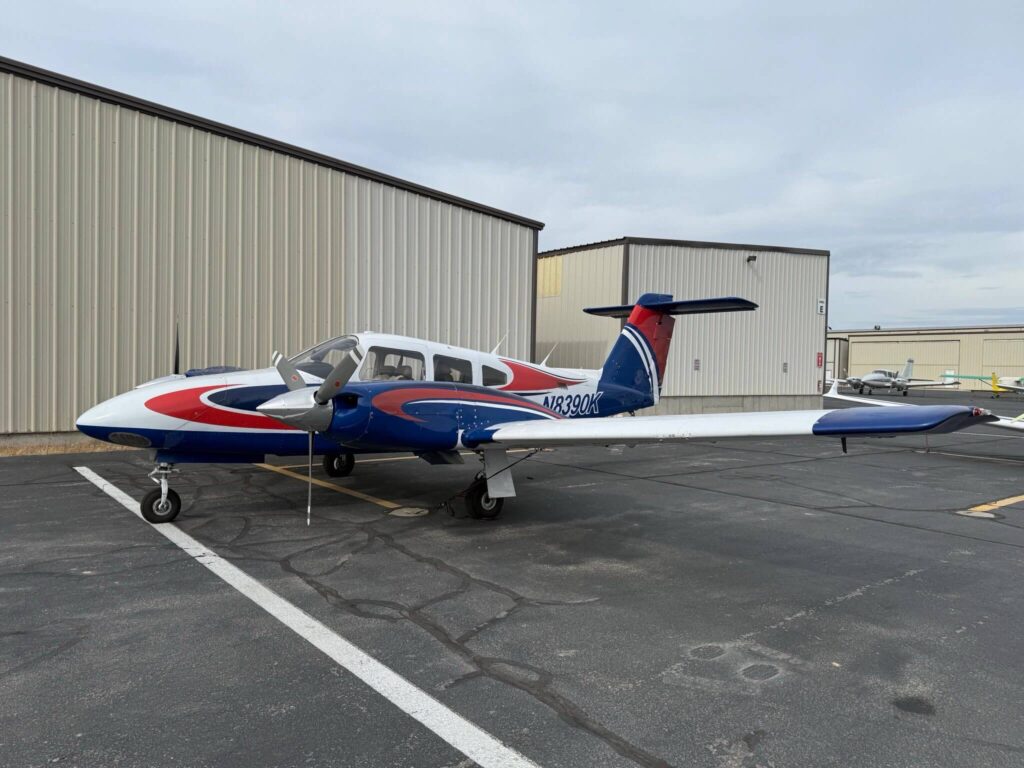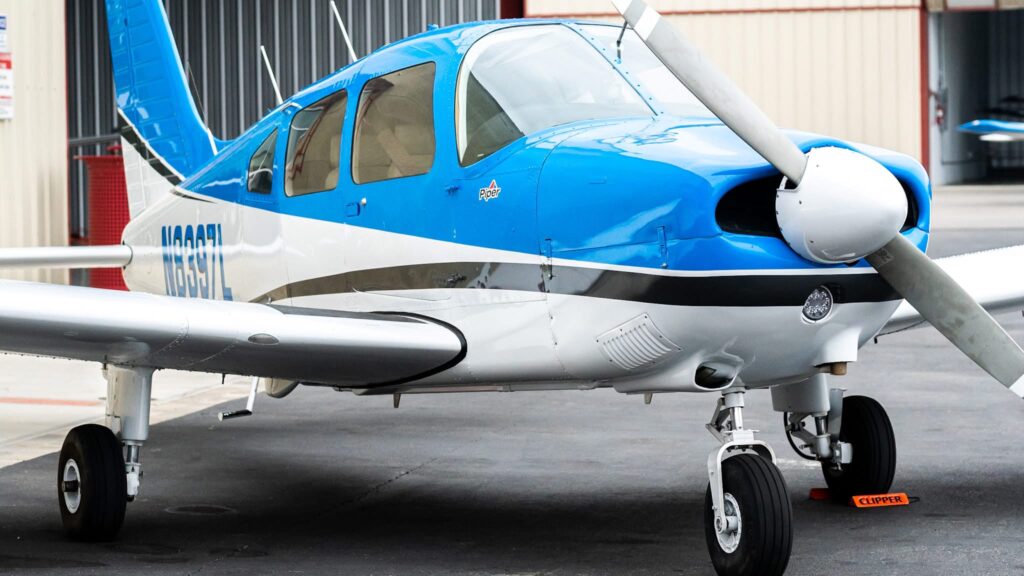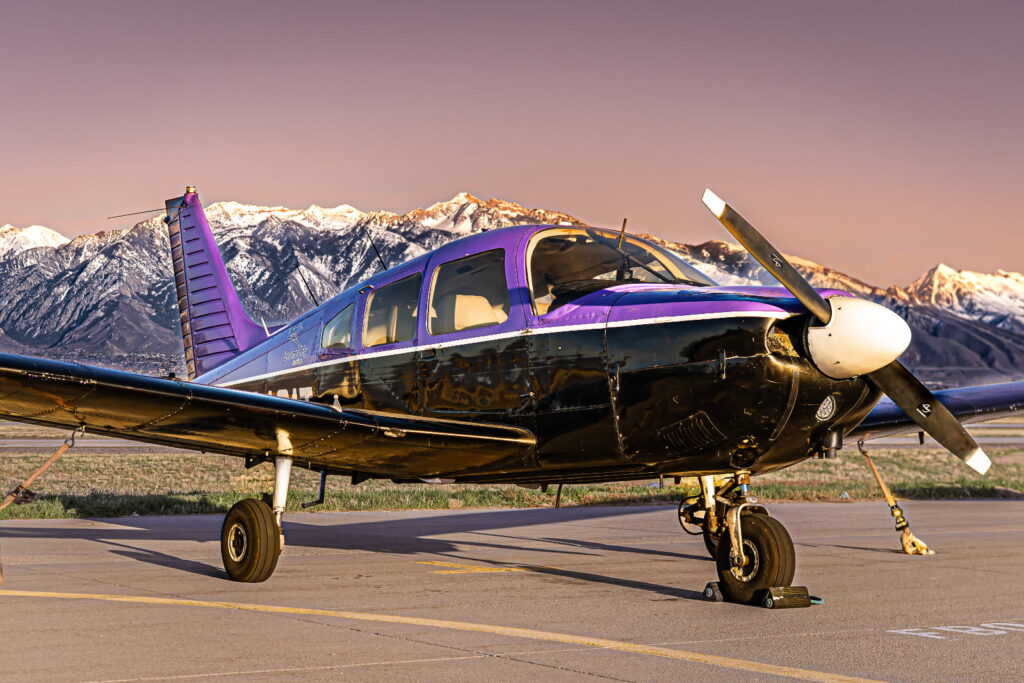
Compare a genuinely varied Utah rental fleet built for both training and real cross country flying, starting with the upgraded Cessna 172N 180HP – N733TC. Glidepath Aviation offers reliable, affordable aircraft rental and lease options for private pilots staying current, time builders working toward a commercial certificate, and anyone needing a dependable airplane for short or long term use. High wing Cessnas, low wing Pipers such as the Piper PA-28-181 – N2226N, Garmin GPS and ADS-B equipped panels, backcountry kits, hourly rates, and customizable lease terms all sit under one operator. Pilots who want something lighter and less expensive per hour can start with the Czech Sport Aircraft Sportcruiser – N427R instead. Every airframe requires a checkout with a CFI, which is exactly how it should be given the terrain Utah pilots fly in. Enjoy the freedom to fly with confidence, backed by a team that prioritizes safety, maintenance, and pilot support.
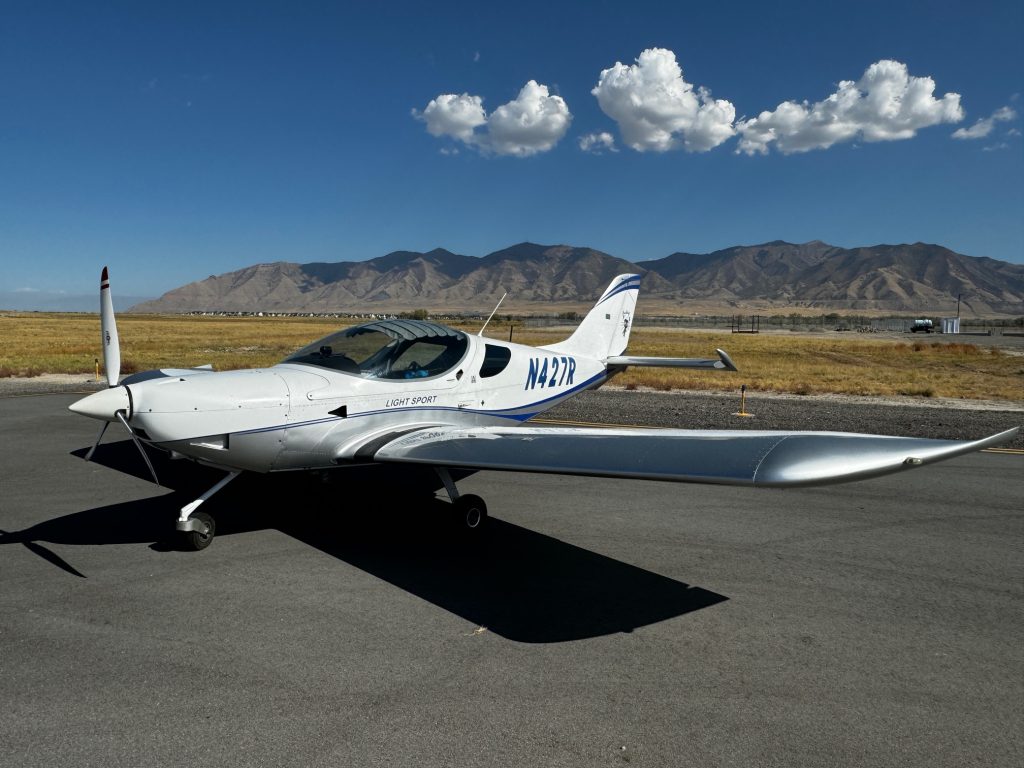
Will need a checkout with a CFI.
Book a well maintained airplane in Utah and get access to terrain, altitude, and scenery that few other states can offer a general aviation pilot. Glidepath Aviation keeps a mixed fleet of high wing Cessnas, low wing Pipers, and light sport airframes available on flexible hourly and lease terms.
Here is how the process works, start to finish:
Utah is one of the more rewarding and more demanding places in the country to rent an airplane. Field elevations sit thousands of feet above sea level, terrain rises quickly in nearly every direction, and a single flight can take you from valley floor to high desert to alpine canyon. Glidepath Aviation supports Utah pilots with aircraft configured for that environment, including upgraded engines and backcountry kits on part of the fleet, so the airplane is matched to the flying rather than merely adequate for it.
Rental requirements follow what the FAA already asks of you. Bring a certificate appropriate to the aircraft and the flight, a valid medical or BasicMed qualification, a flight review completed within the preceding 24 calendar months, and three takeoffs and landings inside the preceding 90 days in the same category and class if you plan to carry passengers. Instrument flight requires recent instrument experience or a completed instrument proficiency check, and light sport aircraft carry their own privilege and currency considerations. Every aircraft requires a CFI checkout regardless of your total time, and you should confirm renter insurance expectations and your deductible before you fly rather than after an incident.
Density altitude deserves more respect in Utah than almost anywhere else. On a warm afternoon, a field already several thousand feet up can push density altitude well past ten thousand feet, which lengthens your takeoff roll dramatically and flattens climb performance to the point where terrain clearance becomes a real calculation rather than an assumption. Run actual performance numbers, plan mountain departures for early morning when air is cooler and winds are calmer, and understand canyon wind, mechanical turbulence, and afternoon thermals before you commit to a route. Salt Lake City’s Class B airspace and military restricted areas west of the valley both require attention on the chart, so review current charts, TFRs, and NOTAMs on every preflight. Winter adds snow, ice, and preheat considerations, so ask about hangar and tie down procedures for overnight stays away from base.
The Utah fleet spans several categories rather than a single model. High wing options include multiple Cessna 172 variants, among them a 172P, a 1976 172N, another 172N, and a 172N upgraded to 180 horsepower. Low wing Pipers include a Cherokee PA-28-180 and two PA-28-181 airframes. There is also a Czech Sport Aircraft Sportcruiser for light sport flying. Availability varies by field and date, so check with Glidepath Aviation for current scheduling.
Yes. Each aircraft requires a checkout with a certificated flight instructor before you fly it as a renter, and that applies to every airframe on the line regardless of your total time. The checkout covers the specific panel, the engine and propeller configuration, handling characteristics, and local procedures. If you are transitioning between a high wing Cessna and a low wing Piper, or moving into a 180 horsepower conversion, expect the checkout to take a bit longer.
Mostly wing position and feel. High wing Cessnas give you better downward visibility, shade on the ramp, and easier entry, which many pilots prefer for sightseeing, valley flying, and looking over an unfamiliar strip. Low wing Pipers tend to feel stable and settled in cruise and land with a slightly different flare. Neither is objectively better. Fly both during checkouts if you can, then pick based on the flying you actually do most.
Yes, and Utah is a productive place to do it. The Cessna and Piper airframes in the fleet are economical, forgiving, and widely flown enough that your hours transfer cleanly. Block hour purchases lower your effective rate as the block grows, which matters considerably when you are logging hundreds of hours. Pilots on a tight timeline should discuss scheduling priority and consider a lease arrangement so aircraft availability does not become the limiting factor.
The Czech Sport Aircraft Sportcruiser is a light sport aircraft, which makes it a lower cost path into the air for sport pilots and for anyone who wants stick time without the hourly expense of a heavier airframe. It suits recreational flying and proficiency work well. Confirm with Glidepath Aviation which certificates and privileges apply to your situation, since light sport operations have their own rules on privileges, currency, and what the aircraft may be used for.
Substantially, and more than most pilots arriving from lower elevations expect. Utah field elevations already sit thousands of feet up, and adding summer heat can push density altitude past ten thousand feet on an afternoon. The practical result is a much longer takeoff roll, a markedly reduced climb rate, and less margin over terrain that rises quickly. Run real performance calculations for the actual conditions, plan mountain flying for early morning, and treat published book numbers as a starting point.
Part of the fleet carries modern avionics including Garmin GPS and ADS-B, and some aircraft are IFR capable while others are better suited to VFR work. Equipment varies by tail number, so confirm the specific panel on the airplane you intend to reserve rather than assuming fleet wide capability. If you plan approach work or actual instrument flying, tell Glidepath Aviation up front so you are matched with an appropriately equipped and certified aircraft.
Both are available. Multi day rentals generally carry a daily minimum number of flight hours so the aircraft is not sitting idle, and you are responsible for proper tie down or hangar arrangements at each overnight stop, which matters in winter. Customizable lease options suit pilots who need consistent access to a specific airframe, flight instructors, and small business operators. Discuss your expected usage, since a lease frequently costs less over a year than repeated multi day rentals.