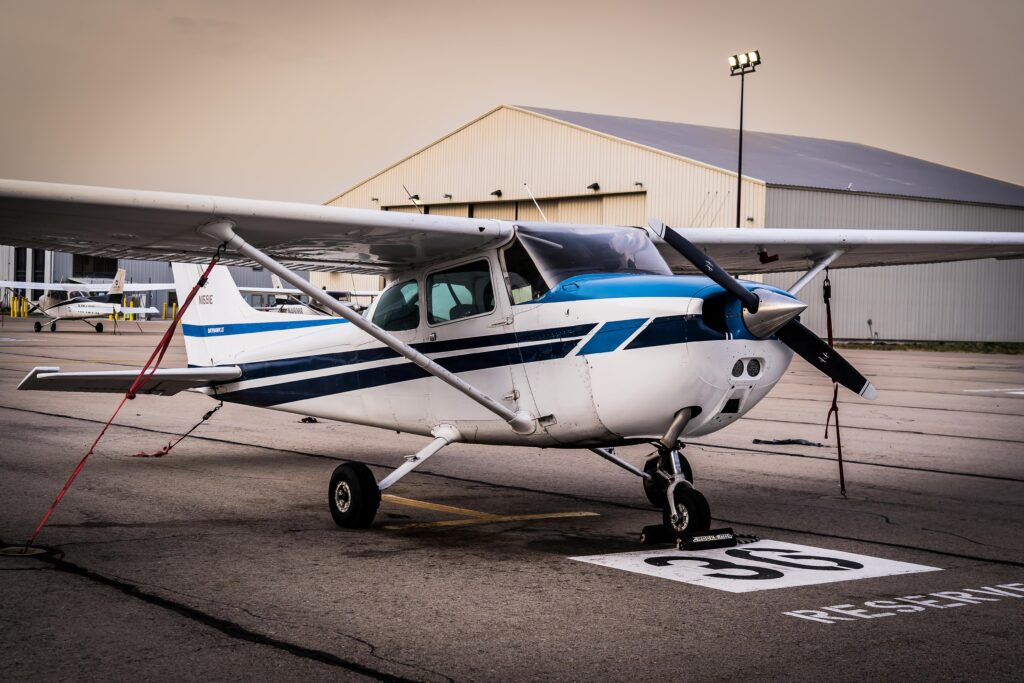
Explore the Texas skies in an upgraded Cessna 172N N1591E fitted with Garmin 530 WAAS avionics, ADS-B out, Power Flow exhaust, constant speed prop, and backcountry kit options. Glidepath Aviation provides dependable, affordable aircraft rental and lease options for student pilots, hour builders, and rated aviators who want a well maintained airplane and a straightforward booking process. Pilots based at Georgetown, TX (KGTU) can move between short term rentals, longer lease agreements, single engine trainers, high wing cross country platforms, multi engine time, light sport airframes, and CFI checkouts without ever changing operators. Whether you are chipping away at a rating, building hours toward a commercial certificate, or simply enjoying a clear Texas morning, there is an airframe and a schedule that fits. Fly with a team that puts safety, aircraft quality, and pilot satisfaction first.
Reserve a well equipped airplane in Texas and spend less of your day coordinating logistics and more of it actually flying. Glidepath Aviation keeps its rental and lease fleet current, IFR capable, and priced so that building meaningful time stays within reach.
Here is how the process works, start to finish:
Texas rewards renters with long flyable seasons, wide practice areas, and a dense network of general aviation fields. Glidepath Aviation serves Texas pilots from Georgetown Municipal Airport (KGTU), which sits north of Austin and gives convenient access to Hill Country routes, coastal runs, and the Panhandle for anyone planning a longer trip.
A few regulatory specifics are worth having in front of you rather than looking up at the counter. Passenger carrying currency under 14 CFR 61.57 means three takeoffs and landings within the preceding 90 days in the same category and class, and tailwheel or night operations carry their own additional requirements. Instrument privileges depend on recent instrument experience or a completed instrument proficiency check. On the insurance side, understand your deductible and whether the operator’s policy covers you as a renter or expects you to carry non owned aircraft coverage, since that distinction only becomes expensive after a hangar rash claim.
Plan Texas flights around airspace and weather rather than after the fact. Austin’s Class C airspace, restricted areas associated with military operations to the west, and busy corridors around the major metros all deserve a look at current charts and NOTAMs during preflight. Summer density altitude cuts into climb performance more than pilots expect, afternoon convective activity builds quickly, and spring brings a real risk of hail and strong wind, so treat weight and balance, fuel reserves, and an honest alternate plan as part of the rental rather than an afterthought. Store the aircraft as the operator directs when you overnight away from base, and tie down or hangar it whenever storms are forecast.
Rates depend on the airframe and how you pay. Aircraft in the upgraded Cessna 172N class rent dry from roughly $120 per hour, meaning fuel is billed separately from the hourly rate. Pilots who purchase block hours in advance see the effective rate drop meaningfully, and the largest blocks bring it down near $85 per hour. Contact Glidepath Aviation for current Texas fleet pricing before you budget a training program or a long cross country.
Yes. Every aircraft requires a checkout with a certificated flight instructor before you fly it solo as a renter. The checkout confirms that you are comfortable with the specific avionics package, the engine and propeller configuration, and the handling characteristics of that airframe. It also gives the instructor a chance to review local procedures. Treat it as a normal part of onboarding rather than an obstacle, and budget an hour or two of dual accordingly.
You need a pilot certificate appropriate to the aircraft and the type of flight you intend to make, along with a valid medical certificate or BasicMed qualification. Your flight review must be current within the preceding 24 calendar months, and you need three takeoffs and landings within the preceding 90 days to carry passengers. Instrument flight requires recent instrument experience or a completed instrument proficiency check. Bring your logbook and documents to the checkout.
Block hour purchases trade commitment for a lower effective rate. A 25 hour block already prices below the standard dry rate, and the discount deepens at 50, 100, 200, 500, and 1,000 hours. A pilot working toward a commercial certificate who knows they will fly hundreds of hours can reduce their cost per hour substantially compared to paying as they go. The right block size depends on your realistic flying pace, so choose based on hours you will genuinely use.
Upgraded Cessna 172N aircraft in the fleet carry Garmin 530 WAAS navigators that are fully IFR rated, along with ADS-B out for traffic and weather compliance and a transponder suited to modern airspace requirements. Individual aircraft may also include a Sentry ADS-B unit for use with ForeFlight, USB charging ports, LED landing and taxi lights, and an engine pre-heater. Confirm the exact panel on the specific tail number you plan to reserve.
Yes, and Texas is well suited to it. Longer reservations generally carry a daily minimum number of flight hours so the aircraft is not sitting idle on someone else’s ramp, and you will be responsible for proper tie down or hangar arrangements at each overnight stop. Discuss your route, planned fuel stops, and weather contingencies with Glidepath Aviation in advance. Pilots who fly frequently often find a lease arrangement more economical than repeated multi day rentals.
Renting is transactional. You reserve an aircraft, fly it, and pay for the time you used. Leasing gives you longer term, more predictable access to a specific airframe, which suits pilots training toward a rating on a fixed schedule, flight instructors building a client base, or owners of a small business who need reliable travel capability. Lease terms cover scheduling priority, minimum usage, and maintenance expectations, so review those details carefully.
Heat is the underrated one. High summer temperatures raise density altitude, which lengthens takeoff rolls and flattens climb performance, particularly with a full cabin. Afternoon convective activity builds fast, spring carries hail and damaging wind risk, and coastal humidity affects both visibility and performance. Check current weather and NOTAMs during preflight, build honest fuel reserves, choose a workable alternate, and be willing to cancel. Aircraft availability is never worth pressing into conditions beyond your comfort.