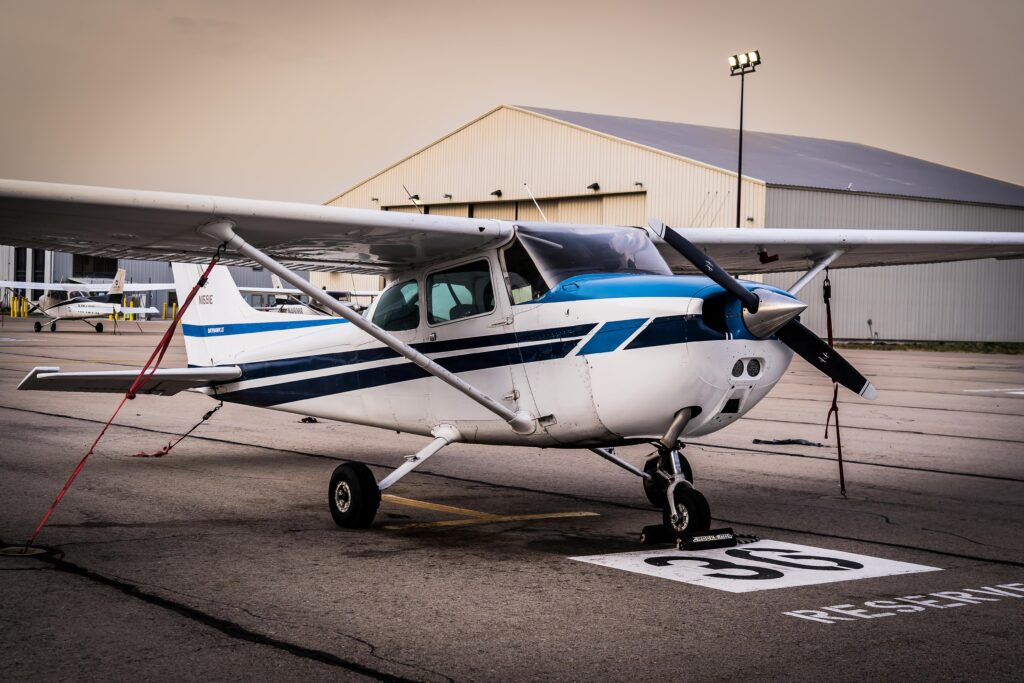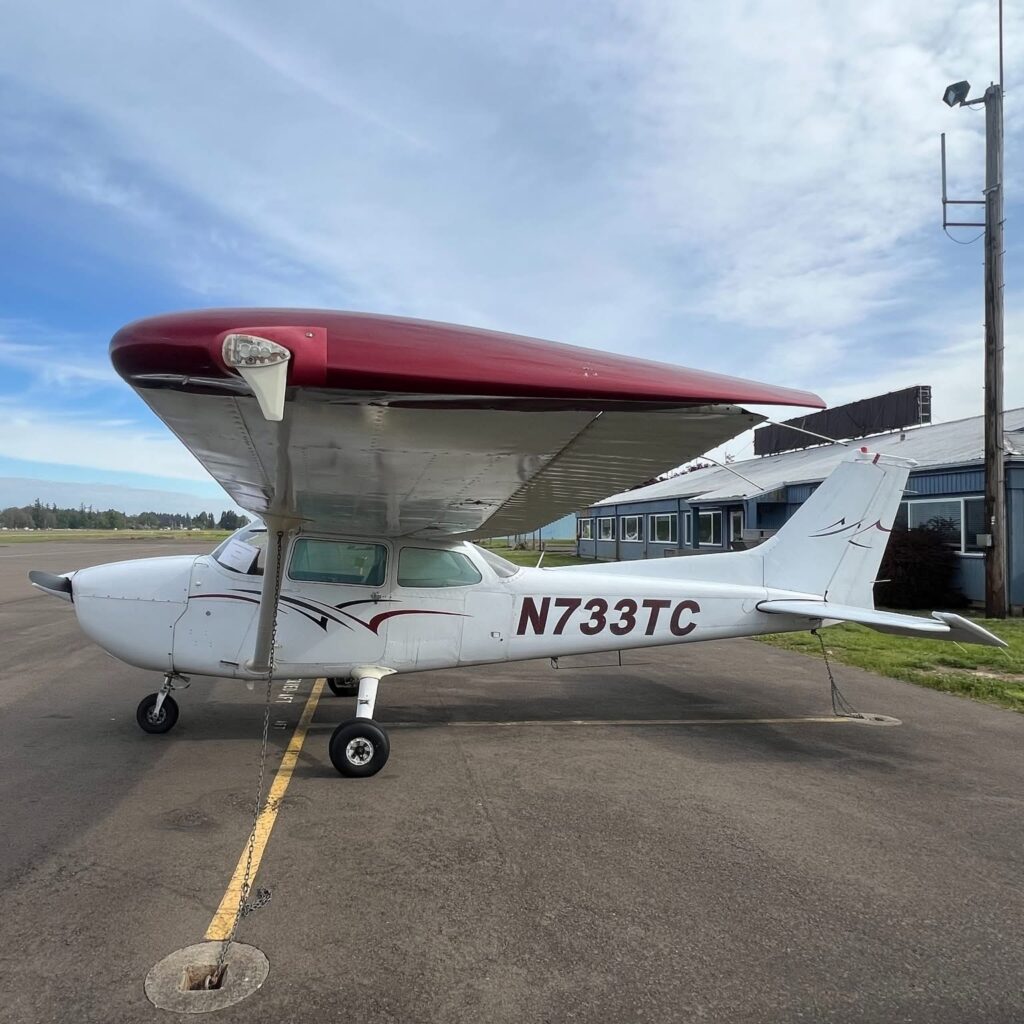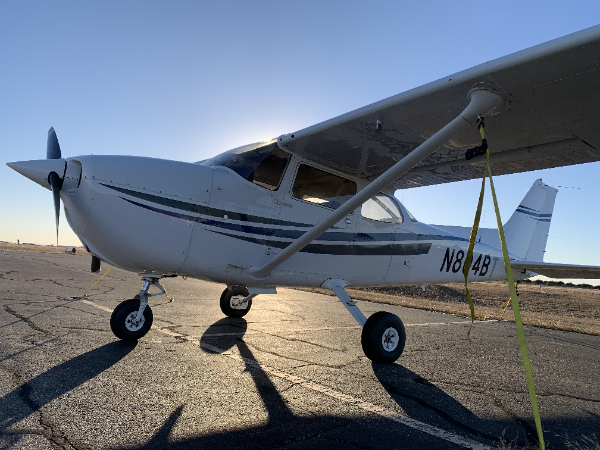
Select the Cessna that matches your mission, starting with the Cessna 172N – N804BL and its 180HP Penn Yan engine, touchscreen Garmin GTN 650xi, and dual G5s certified for GPS and ILS approaches. Glidepath Aviation runs Cessna 172 variants as the backbone of its single engine line across Texas and Utah, which means parts availability, familiar maintenance, and deep instructor experience all work in your favor. Pilots who want practical comfort features can take the Cessna 172N – N1591E with its Power Flow exhaust, USB charging ports, engine pre-heater, and LED landing and taxi lights. Anyone flying from higher fields or carrying a fuller cabin should look at the Cessna 172N 180HP – N733TC for the extra climb performance. Every airframe requires a checkout with a CFI and is supported by a team that treats safety, maintenance, and pilot support as the baseline.
Start with the fact that the Cessna 172 is the most produced aircraft in history, because everything useful about renting one follows from that. Parts are available, mechanics know it, instructors have thousands of hours in it, and insurers understand it, which translates into aircraft that stay on the line and checkouts that go smoothly.
Here is how to choose between the variants:
The practical case for renting a Cessna 172 is unglamorous and completely sound. More than forty thousand have been built and the type remains in production, which means a part that grounds a rarer airplane for three weeks tends to be available in days. Mechanics at essentially any general aviation field have worked on them. Any instructor you meet can give you a competent checkout. Standardized handling means transitioning between tail numbers is genuinely straightforward, and the type’s docile stall behavior and forgiving landing characteristics are why it has trained more pilots than any other airplane. For a renter, all of that adds up to something simple: the airplane you booked is far more likely to actually be available on the day you booked it.
Within the type, the variants and modifications matter more than the model designation suggests. The 172N was built in the late 1970s and the 172P followed in the early 1980s with a higher maximum gross weight, which affects what you can legally load. On top of that, several airframes in this fleet carry engine and exhaust modifications, including Power Flow exhaust systems and Penn Yan conversions to 180 horsepower, and the panels range from conventional gauges to dual G5s paired with touchscreen Garmin navigators certified for GPS and ILS approaches. Two airplanes sharing the designation 172N can therefore climb differently, cruise differently, burn fuel differently, and present you with an entirely different instrument panel. Confirm the specific configuration and certification on the tail number you intend to reserve rather than assuming the type tells you what you are getting.
Rental requirements follow what the FAA already asks of you. Bring a certificate appropriate to the aircraft and the flight, a valid medical or BasicMed qualification, a flight review completed within the preceding 24 calendar months, and three takeoffs and landings inside the preceding 90 days in the same category and class if you intend to carry passengers. Instrument flight requires instrument privileges plus recent instrument experience or a completed instrument proficiency check. Every airframe requires a checkout with a certificated flight instructor regardless of your total time, and across a line this varied that requirement earns its keep rather than covering paperwork. Beyond the documents, run real performance numbers for actual temperature, weight, and field elevation, which matters especially at the Utah fields where elevations sit thousands of feet above sea level and terrain rises quickly, review charts, TFRs, and NOTAMs on every preflight, carry honest fuel reserves, and settle renter insurance and your deductible before you fly rather than after a claim.
The line consists of Cessna 172 variants. It includes a 1978 172N with a Power Flow exhaust, USB charging, an engine pre-heater, and LED landing and taxi lights; a 1976 172N carrying dual G5s and a GNX 375 touchscreen GPS; a 172N converted to 180 horsepower; another 172N running a 180HP Penn Yan engine with a touchscreen Garmin GTN 650xi and dual G5s; and a 1986 172P. Availability varies by field across Texas and Utah.
Reliability of access, mostly. It is the most produced aircraft in history, so parts are available, mechanics know it, instructors have extensive experience in it, and insurers are comfortable with it. The practical result for a renter is that the airplane tends to be on the line when you booked it rather than waiting weeks for a component. It is also forgiving to fly, which is why it has trained more pilots than any other type.
They are consecutive production variants. The 172N was built in the late 1970s and the 172P followed in the early 1980s, bringing a higher maximum gross weight, which affects how much you can legally carry. In day to day flying they feel very similar. What will make a bigger difference to you is the specific engine and panel on the individual airplane, since modifications within this fleet vary considerably from one tail number to the next.
Climb performance most noticeably, plus a modest gain in cruise speed. A stock 172 with 160 horsepower loses climb rate quickly as density altitude rises, which is exactly the situation at the Utah fields on a warm afternoon or in Texas heat with a full cabin. A conversion buys you a shorter takeoff roll and better terrain clearance. Fuel burn increases somewhat, so the tradeoff is hourly cost against capability. For higher elevation flying, the capability usually wins.
It is a tuned exhaust system that improves engine breathing and produces a measurable gain in climb and cruise performance without changing the engine itself. The difference is real but more modest than a full horsepower conversion. On N1591E it comes alongside genuinely useful comfort features, including USB charging for tablets and portable devices, an engine pre-heater for cold morning starts, and LED landing and taxi lights that make a noticeable difference at night.
N804BL. It pairs a touchscreen Garmin GTN 650xi with dual G5s, making it fully IFR certified for GPS and ILS approaches, and runs a 180HP Penn Yan engine with a fixed pitch propeller for strong climb performance. N73917 is also well equipped with dual G5s and a GNX 375 offering Bluetooth and touchscreen operation. Confirm certification on the specific airplane before planning approach work, since equipment varies across the line.
Yes, and here it matters more than the shared model designation implies. Two airplanes both labeled 172N in this fleet may have different engines, different exhaust systems, different propellers, and entirely different panels, ranging from conventional gauges to dual G5s with a touchscreen navigator. The checkout is where you learn how your specific airplane climbs, cruises, and manages power. Budget an hour or two of dual and bring your logbook and current documents.
Several are. N804BL is fully IFR certified for GPS and ILS approaches with its GTN 650xi and dual G5 combination, and N73917 carries dual G5s with a GNX 375. Certification varies by tail number, so confirm before planning approach work. You also need instrument privileges plus recent instrument experience or a completed instrument proficiency check to act as pilot in command under IFR, so plan your currency alongside your booking.