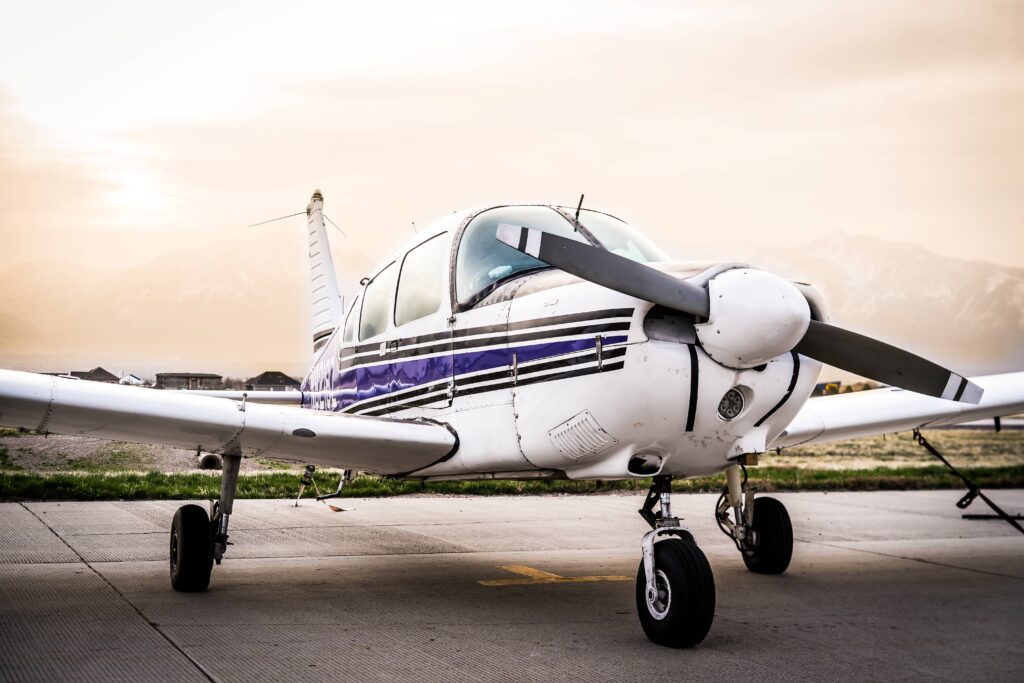
Get airborne out of Ogden in the Piper PA-28-181 – N8218Z, a 1980 Archer that is IFR certified and well suited to instrument work, cross country trips, and steady time building. Glidepath Aviation makes aircraft rental at KOGD straightforward for private pilots staying proficient, students finishing a rating, and anyone who needs a dependable airplane without owning one. Pilots who prefer a high wing can move to the Cessna 172N – N804BL and use the same booking process, the same maintenance standard, and the same CFI checkout requirement. Browse the wider Utah rental lineup to compare airframes, avionics packages, hourly rates, and lease terms across the fleet. Every reservation is supported by a team that treats safety, maintenance, and pilot support as the starting point rather than the pitch.
Reserve an IFR capable airplane at Ogden-Hinckley Airport and fly one of the more scenic and more demanding corners of the country. Glidepath Aviation keeps the process at KOGD simple, from confirming your currency through checkout and into the left seat.
Here is how the process works, start to finish:
Ogden, Utah is a strong base for a renter. Ogden-Hinckley Airport (KOGD) is a towered general aviation field with multiple paved runways, sitting at roughly 4,500 feet with the Wasatch Range rising immediately to the east and the Great Salt Lake spread out to the west. You get real airport infrastructure without competing for slots against airline traffic, plus quick access to mountain scenery, high desert, and the Idaho and Wyoming borders on a longer trip.
Rental requirements track what the FAA already expects of you, so arrive with your paperwork in order. You need a certificate appropriate to the aircraft and the flight, a valid medical or BasicMed qualification, a flight review completed within the preceding 24 calendar months, and three takeoffs and landings inside the preceding 90 days in the same category and class to carry passengers. Flying N8218Z under IFR additionally requires instrument privileges plus recent instrument experience or a completed instrument proficiency check. Every aircraft requires a CFI checkout no matter how much total time you hold, and you should settle renter insurance and your deductible before the flight rather than after a claim.
Altitude and terrain drive most of the operational planning here. A field at 4,500 feet on a warm afternoon can produce a density altitude well above 8,000 feet, which lengthens the takeoff roll noticeably and cuts your climb rate at exactly the moment you want performance for terrain to the east, so run real numbers rather than relying on habit. Mountain wave and canyon wind coming off the Wasatch can produce turbulence and downdrafts that catch pilots off guard, and afternoon thermals build quickly in summer. Salt Lake City’s Class B airspace lies to the south and requires a careful look at the chart, along with current TFRs and NOTAMs. Winter brings lake effect snow, valley inversions that flatten visibility for days, and preheat considerations, so ask about hangar and tie down procedures whenever you plan to leave the aircraft overnight away from base.
The featured airframe at KOGD is N8218Z, a 1980 Piper PA-28-181 Archer that is IFR certified, which makes it suitable for approach work and actual instrument flight rather than VFR navigation only. Other aircraft in the Utah fleet include additional Piper Archers, several Cessna 172 variants, and a light sport option. Availability shifts by field and by date, so confirm with Glidepath Aviation which airframes are on the line at Ogden when you want to fly.
Rental is priced dry, so fuel is billed separately from the hourly rate rather than bundled in. N8218Z rents at $120 per hour dry. Buying block hours in advance lowers the effective rate as the block grows: roughly $114 per hour at 25 hours, $108 at 50 hours, $102 at 100 hours, $96 at 200 hours, $90 at 500 hours, and $85 per hour at 1,000 hours. The largest blocks represent substantial savings for pilots logging serious time.
Yes. A checkout with a certificated flight instructor is required before you fly the aircraft on your own, and that applies regardless of your total time or how many similar airframes you have flown. The instructor confirms you are comfortable with the panel, the power settings, and the handling characteristics of that specific airplane, and briefs you on local procedures at KOGD. Budget an hour or two of dual, and bring your logbook and current documents.
Yes. N8218Z is IFR certified, which supports instrument training, approach practice, and filing in actual conditions. You still need instrument privileges along with recent instrument experience or a completed instrument proficiency check to act as pilot in command under IFR. The towered environment at Ogden and the approaches available in the surrounding area make it a practical base for building and maintaining instrument proficiency through the year.
It is a sensible pick. The PA-28-181 carries a useful load that works for two people with baggage or a fuller cabin on shorter legs, cruises at a respectable speed for the class, and feels stable in the kind of extended flying that makes a long day tolerable. Pair that with IFR certification and you have an airplane that will complete more trips than a VFR only trainer. Run weight and balance for your actual load, particularly on hot days.
Meaningfully, and it is the thing pilots from lower elevations most often underestimate. KOGD sits around 4,500 feet, so a warm afternoon can push density altitude past 8,000 feet. Your takeoff roll gets longer, your climb rate drops, and the Wasatch terrain to the east does not care that the book said otherwise. Calculate performance for actual temperature and weight, schedule mountain departures early in the day, and give yourself margin rather than testing it.
Yes. Longer reservations generally carry a daily minimum number of flight hours so the airplane is not sitting unused on a distant ramp, and you are responsible for arranging proper tie down or hangar space at each stop, which matters a great deal in a Utah winter. Discuss your route, fuel stops, and weather contingencies with Glidepath Aviation beforehand. Pilots making trips like this regularly often find a lease arrangement more economical over a year.
Three things. The field is towered, so review the airport diagram and expect standard tower procedures rather than uncontrolled field self announcing. The Wasatch Range sits immediately east, which means mountain wave, canyon wind, and rapidly rising terrain are part of every eastbound departure. And Salt Lake City’s Class B airspace lies to the south, so brief the chart carefully and check NOTAMs and TFRs before every flight rather than assuming last week’s picture still holds.